Military & Defense
The Great Patriotic War, the Cold War and the defence industry.
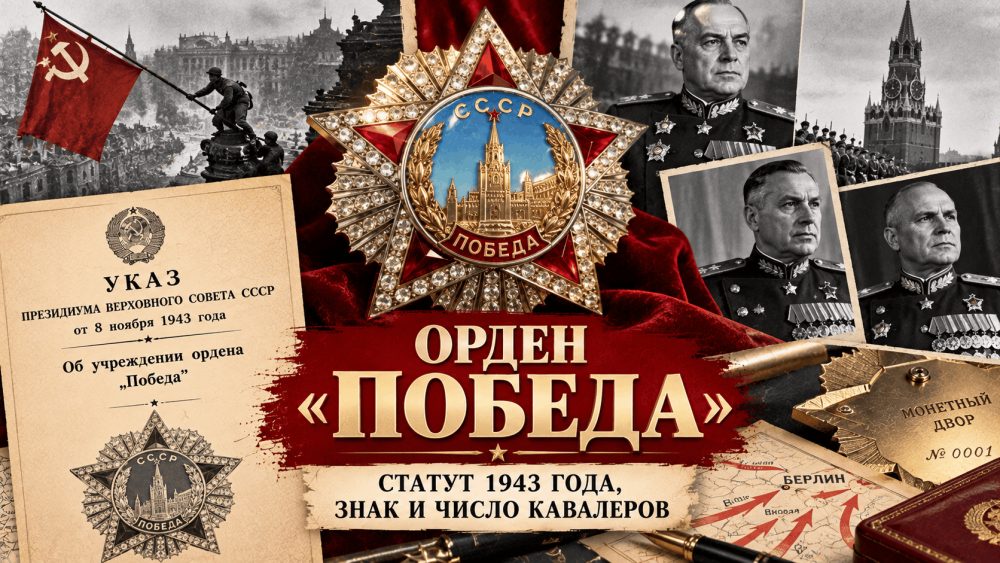
The Order of Victory: Its 1943 Statute, Badge and Recipients
What the Order of Victory recognised, who authorised awards, how the badge was specified and why recipient and award totals differ.
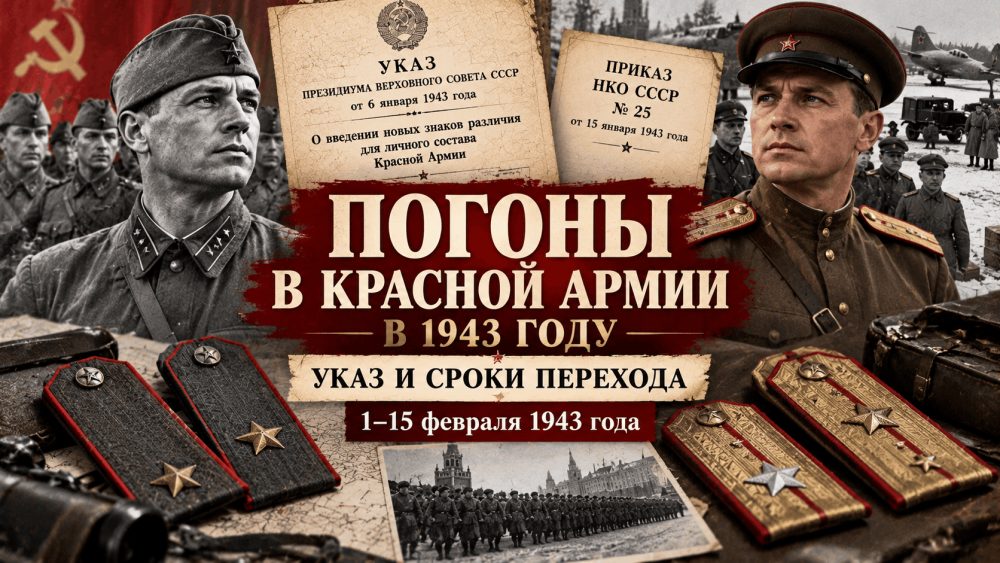
Red Army Shoulder Boards in 1943: Decree and Transition
When shoulder boards returned to the Red Army: the January decree, Order No. 25, the February transition and clues for interpreting wartime photographs.
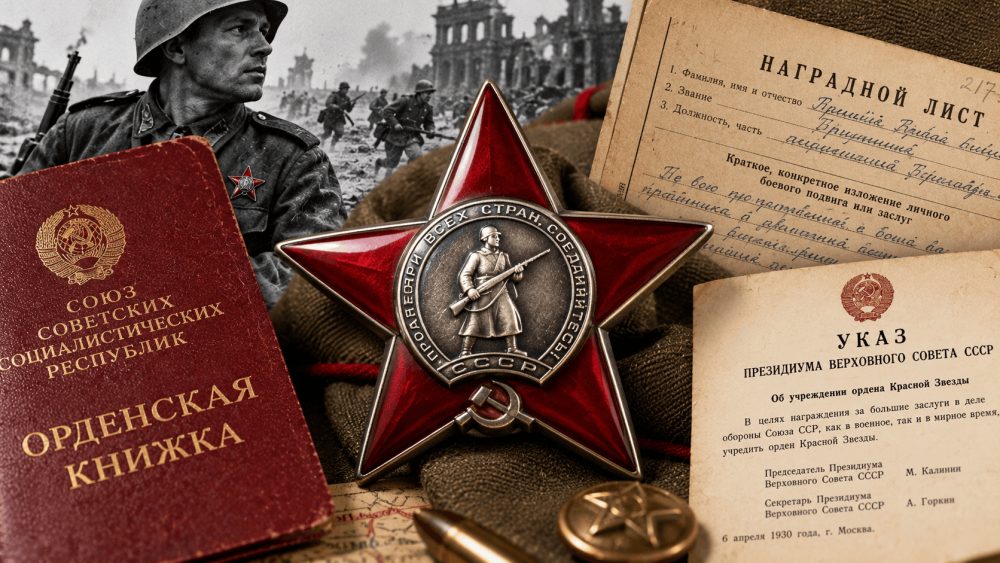
Order of the Red Star: The 1930 Statute and Award Records
When the Order of the Red Star was established, what its first statute rewarded and how a badge, museum entry and individual award record differ.
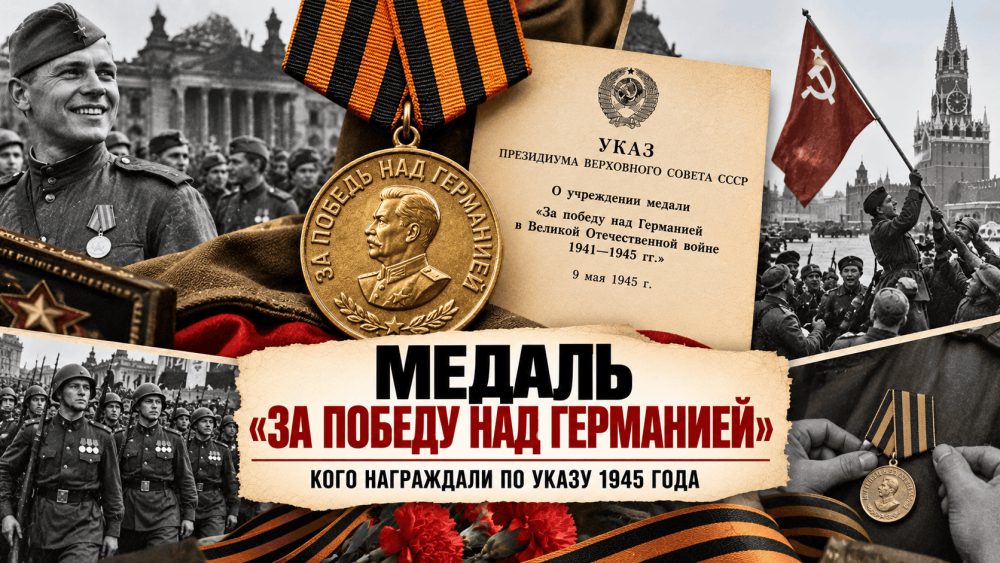
The Victory over Germany Medal: Eligibility under the 1945 Decree
Who qualified for the Victory over Germany Medal, how it was presented and why a certificate could be dated after 1945: the decree and museum records.
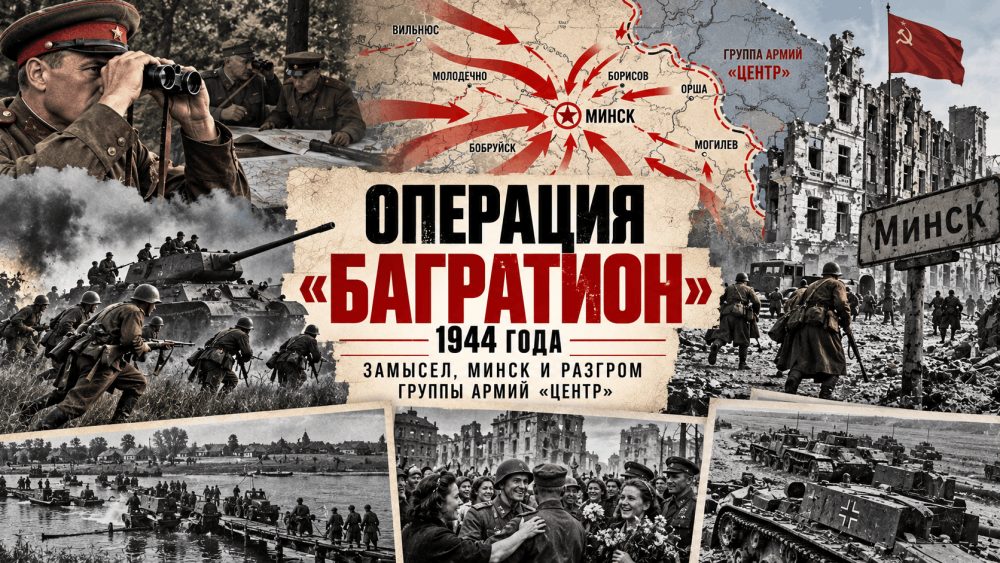
Operation Bagration, 1944: The Plan, Minsk and Army Group Centre
How four Soviet fronts carried out Operation Bagration: the plan, encirclements, Minsk’s liberation on 3 July and the consequences of the 1944 offensive.
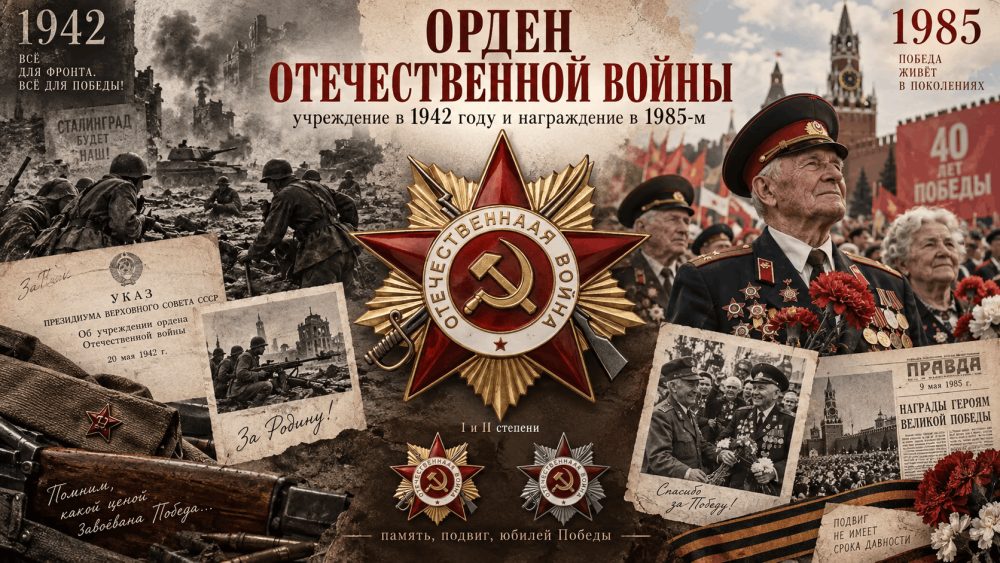
Order of the Patriotic War: Its 1942 Foundation and 1985 Awards
Distinguishing wartime and anniversary awards: the two classes, first recipients, the 1985 decree and what family documents can establish.
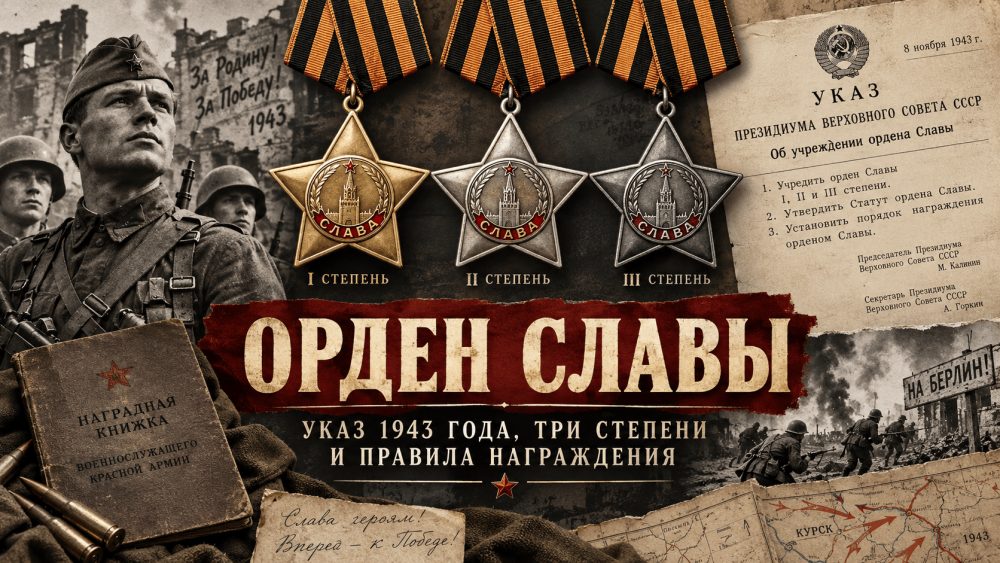
The Order of Glory: Its 1943 Statute and Three Classes
When the Order of Glory was created, who qualified, how its three classes differed and why the decree and Defence order have different dates.
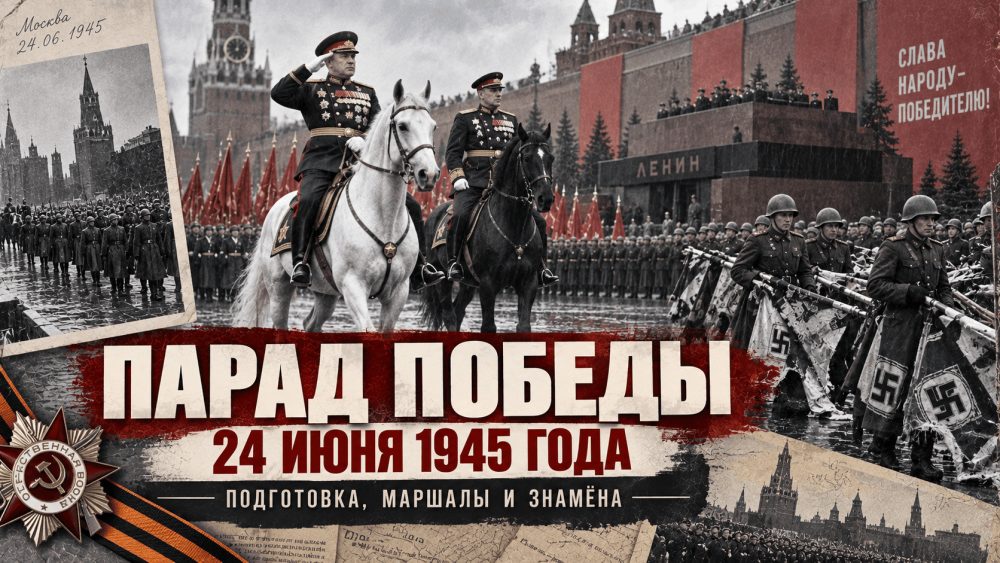
Moscow’s Victory Parade of 24 June 1945: Preparation and Ceremony
How the 24 June 1945 Victory Parade was prepared: Order No. 370, the marshals’ distinct roles, composite regiments, captured standards and rain.
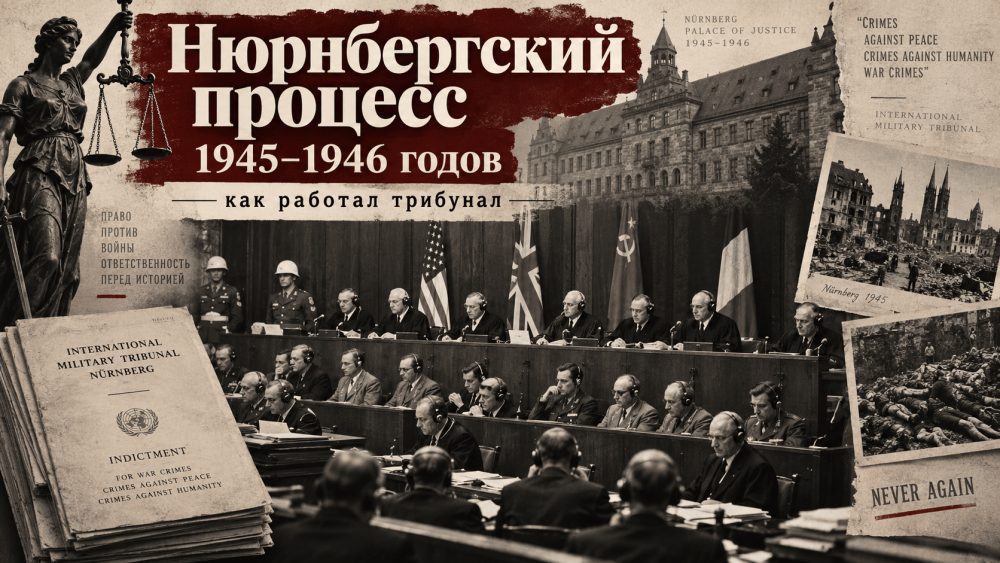
The Nuremberg Trial of 1945-1946: How the Tribunal Worked
How the USSR and its allies created the Nuremberg tribunal: its Charter, crimes, defence, interpretation, verdicts and distinction from later proceedings.
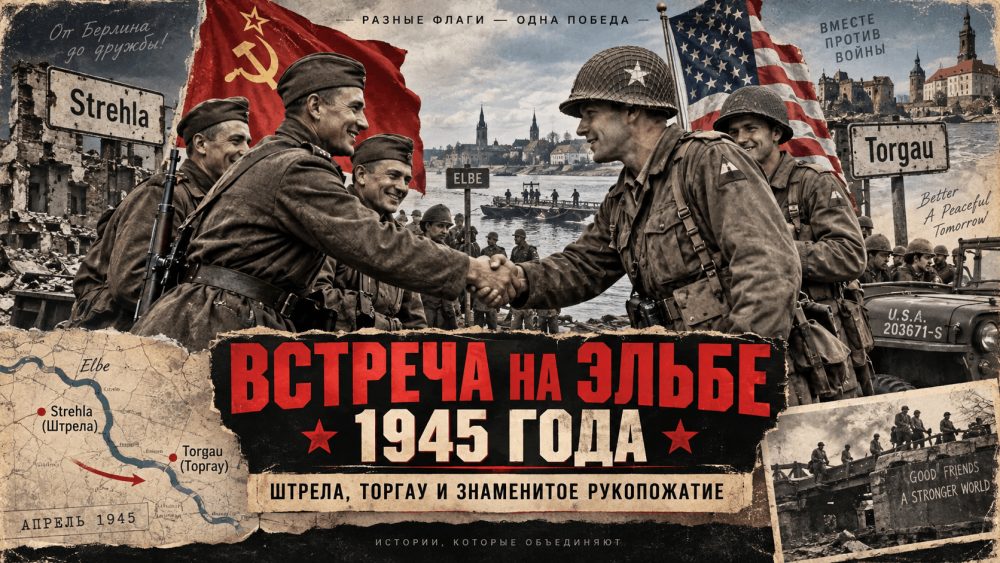
The Elbe Meeting in 1945: Strehla, Torgau and the Famous Handshake
Trace the Allied Elbe link-up on 25 April 1945: first contacts near Strehla, the handshake at Torgau, the commanders’ ceremony and the photographs.
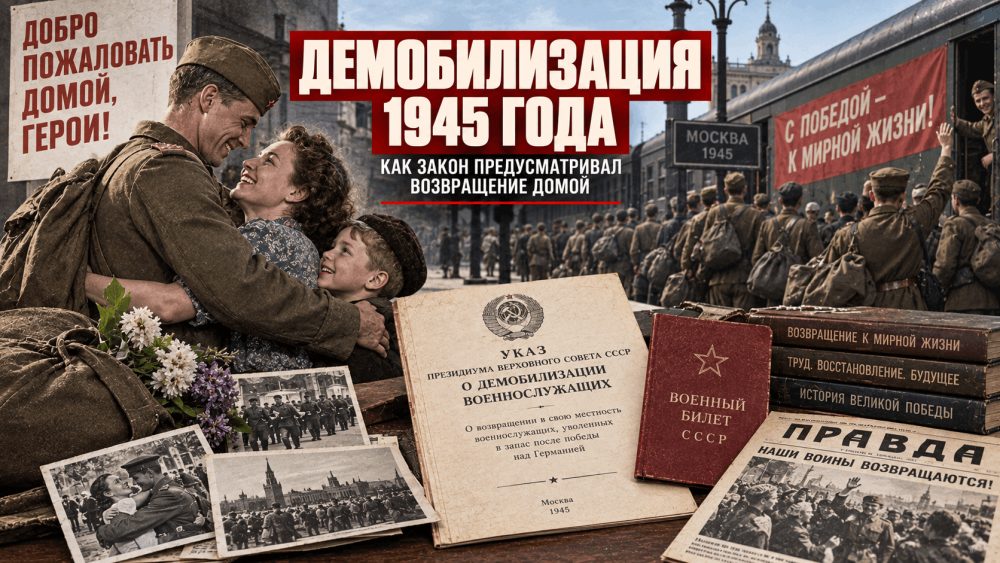
Soviet Demobilization in 1945: The Law and the Return Home
What the Soviet law of 23 June 1945 promised demobilized soldiers: travel, payments, employment and housing, checked against its original publication.
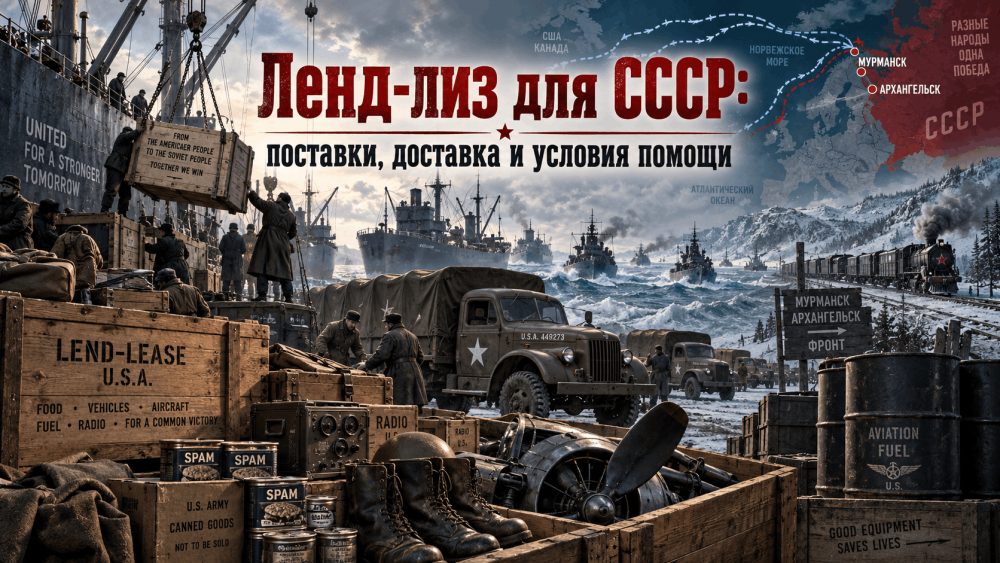
Lend-Lease to the USSR: Supplies, Delivery and the Terms of Aid
How did Lend-Lease to the USSR work? Explore the 1941 law, weapons and materials, the Persian Corridor and postwar negotiations through primary documents.
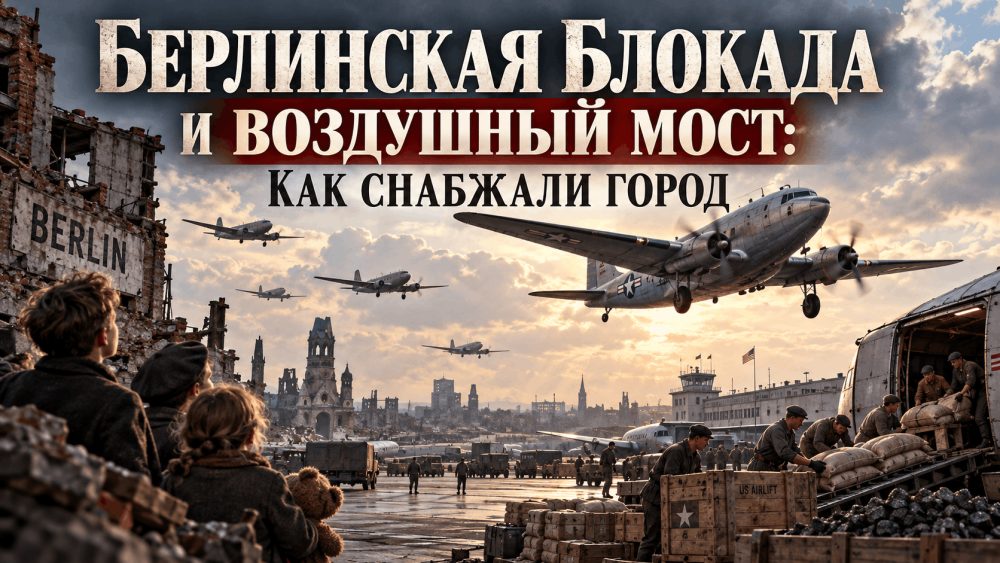
The Berlin Blockade and Airlift: How a City Was Supplied
Why did the Berlin blockade begin, how did the airlift work, and why did flights continue after May 1949? Explore the logistics, dates and documents.
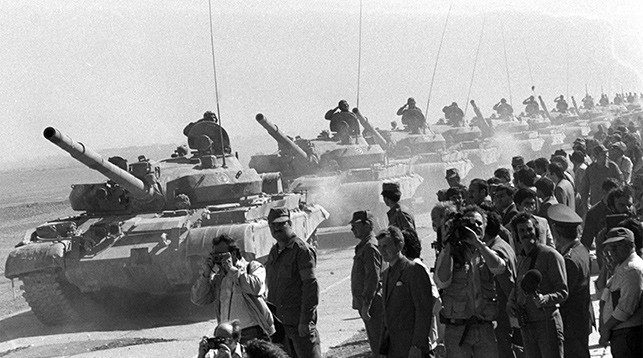
The Soviet-Afghan War: nine years that broke the USSR's back
A decision made by a narrow circle of Politburo old men, a palace stormed in 43 minutes — and nine years of a war the country waged without calling it a war. The story of the "bleeding wound" that hastened the Union's end.

The Cuban Missile Crisis: thirteen days on the edge of nuclear war
In October 1962, Soviet missiles in Cuba brought the world closer to nuclear war than ever before. Thirteen days, a secret deal, and a man aboard a submarine who may have saved the planet.
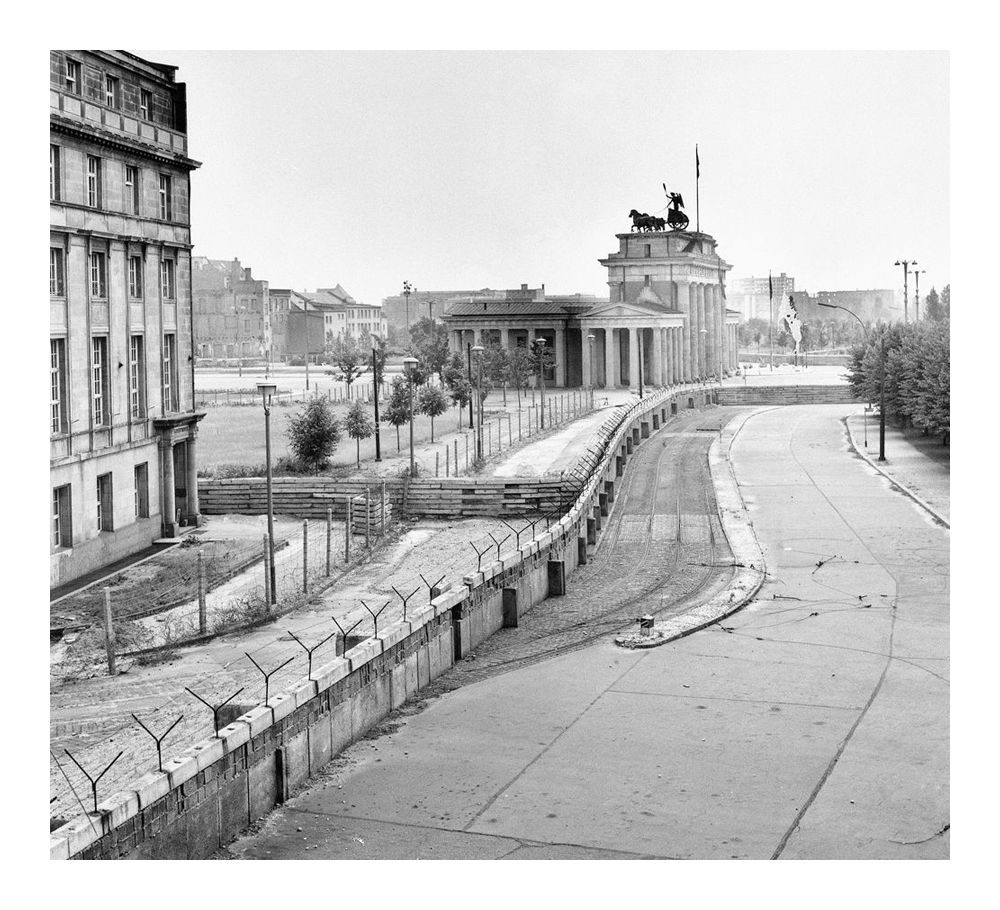
The Berlin Wall: 28 years of the Cold War's greatest symbol
In a single August night in 1961, a city was cut in half. Twenty-eight years, at least 140 dead, over 5,000 successful escapes — and one botched press conference that brought it all down in an evening.

The Suez Crisis of 1956: causes, the war, and the Soviet role
In 1956 Britain, France and Israel invaded Egypt over the Suez Canal — and won the fighting, but were forced to retreat under pressure from the United States and the USSR. How it changed the world.
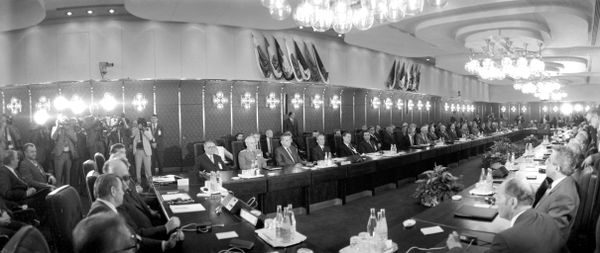
The Warsaw Pact: the alliance that fought only its own members
Moscow's answer to NATO: eight countries, a unified command and 36 years of standoff. The bloc's paradox is that in its entire history its armies fought together only once — against one of its own members.
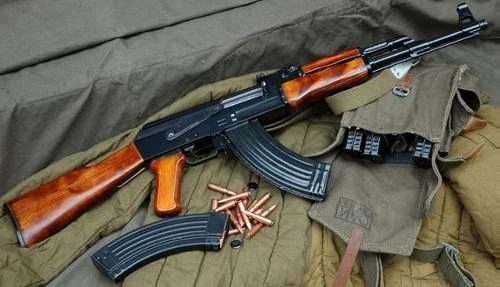
The AK-47: the most mass-produced weapon in history
The son of dispossessed peasants conceived it on a hospital bed, and the world replicated it a hundred million times. The story of the AK-47 — from a secret design contest to the flag of Mozambique and its creator's letter to the Patriarch.

The Cold War: half a century of superpower confrontation
For almost half a century the US and the USSR teetered on the edge of war without ever fighting each other directly. The arms race, space, the Berlin Wall, proxy wars and nuclear fear — a full account of the Cold War.
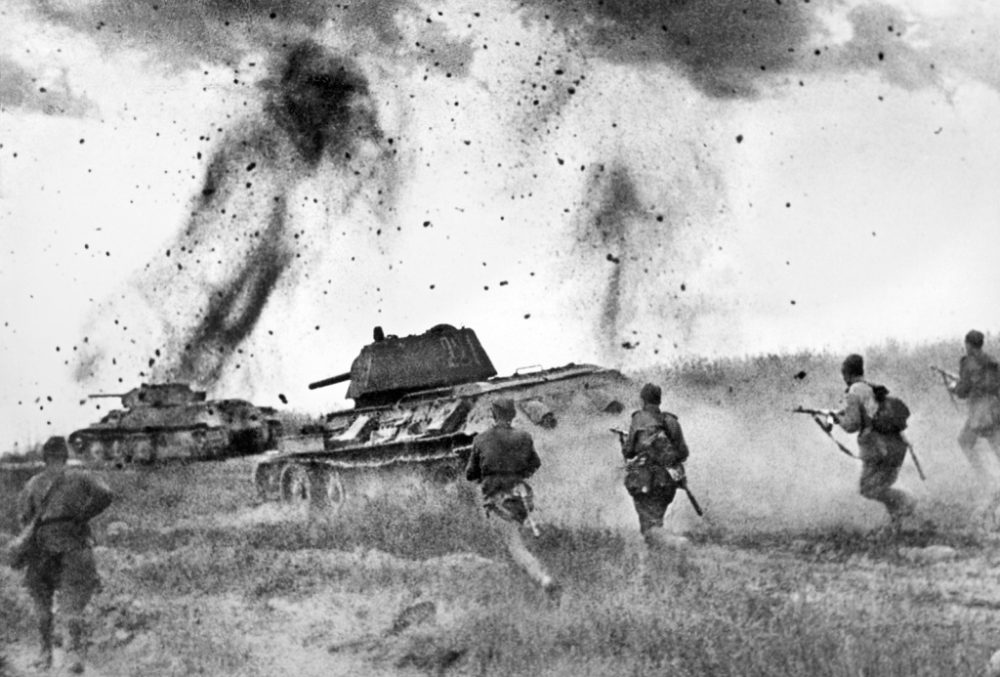
The Battle of Kursk: the largest tank battle in history
Six thousand tanks, two million men, four thousand aircraft. Germany's last great offensive in the East — one the Red Army knew by heart before it began, and met with three hundred kilometers of defenses.
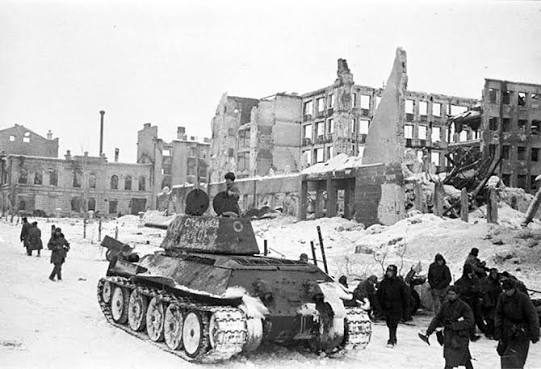
The Battle of Stalingrad: 200 days that turned the war
The largest and bloodiest urban battle in history: fighting for every house, the encirclement of an entire army, and nearly two million human fates. How a city on the Volga turned the tide of the Second World War.
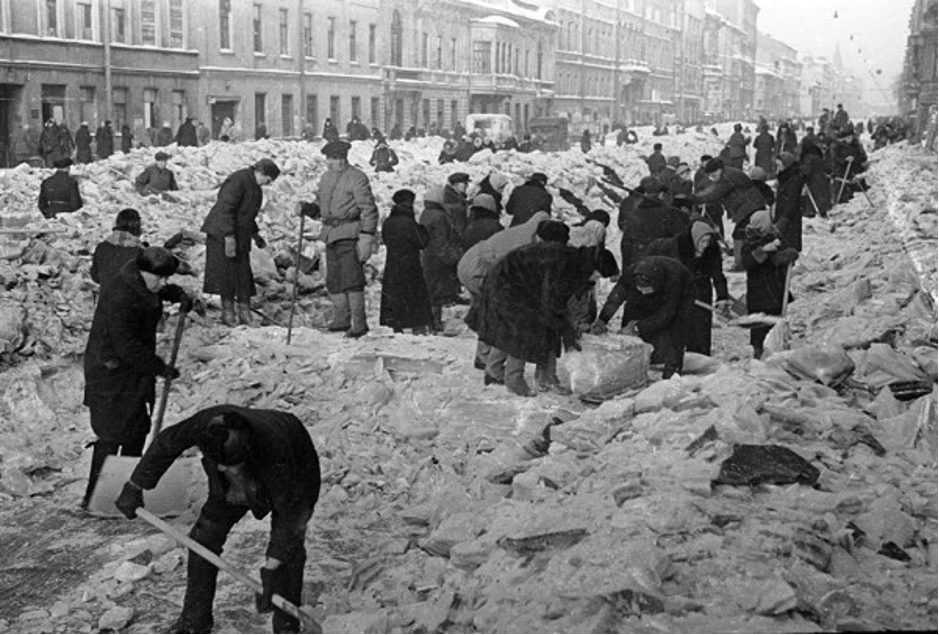
The Siege of Leningrad: 872 days of a city under blockade
The deadliest siege in human history: 125 grams of bread a day, the Road of Life across frozen Lake Ladoga, Tanya Savicheva's diary — and a city that never surrendered.
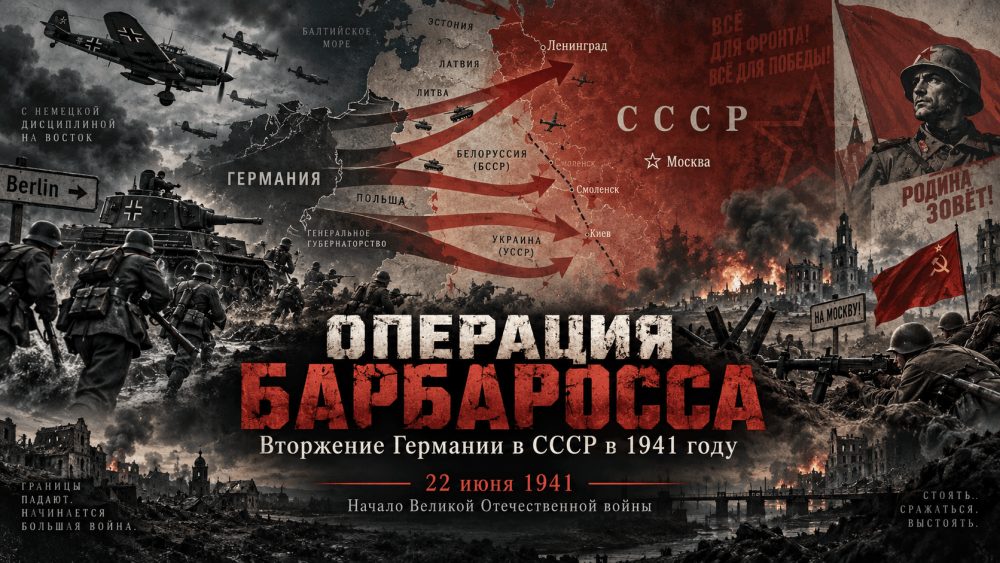
Operation Barbarossa: Germany's 1941 Invasion of the Soviet Union
On 22 June 1941, Nazi Germany launched Operation Barbarossa, the vast invasion of the Soviet Union. The Wehrmacht won enormous early victories, but the plan for a quick war broke down before Moscow.
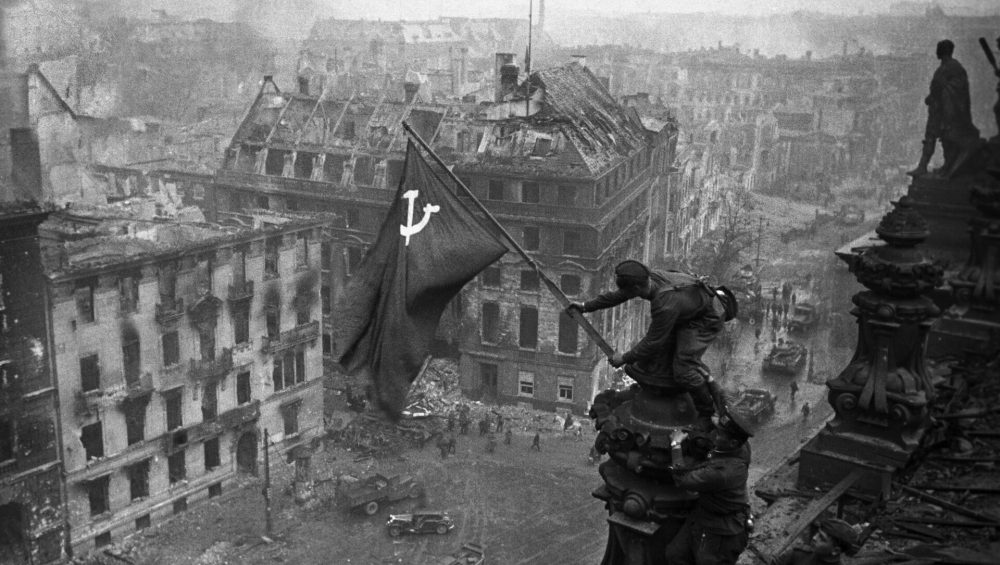
The Great Patriotic War: the 1,418 days that changed the world
The bloodiest war in human history: from the catastrophe of June 22, 1941, through Moscow, Stalingrad and Kursk — to Berlin. The people's feat and the price of victory, told honestly.

The T-34 tank: a legend of the Great Patriotic War
The T-34 is a symbol of victory and one of the most influential tanks in history. What made it good, where it fell short of German machines, and why its mass production decided everything.
Section guide
Soviet military history: war, armed forces and nuclear confrontation
Soviet military history spans most of the twentieth century, from the creation of the Red Army and interwar modernization to the country's largest war, nuclear confrontation with the United States and the withdrawal from Afghanistan. Defense was not a separate sector in the USSR; it shaped industry, science, foreign policy and public memory. This section therefore places battlefield operations beside weapons, decorations, international crises and arms-control treaties.
The central subject is the overview of the Great Patriotic War of 1941–1945. The Eastern Front moved from the catastrophic defeats of 1941 through the defense of Moscow and Leningrad, the guide to the Battle of Stalingrad, Kursk, the liberation of occupied territory and the advance into Central Europe. The article on Operation Bagration follows one of the largest Soviet successes of 1944, when Army Group Center was shattered and much of Belarus was liberated. Other articles examine equipment, Lend-Lease, military awards and the way the war became embedded in both state and family memory.
After 1945, the nature of the threat changed. The Soviet Union and the United States possessed nuclear weapons and increasingly sophisticated delivery systems, yet both sought to avoid a direct general war. The overview of the Cold War connects the arms race with Berlin, Cuba, military alliances and conflicts in third countries. Military technology and diplomacy developed together: as missiles became more dangerous, rules limiting their number, location and deployment became increasingly important.
By the end of the Cold War, arms control had become a major part of security policy. The guide to the INF Treaty explains how the USSR and the United States agreed to eliminate an entire class of ground-launched intermediate- and shorter-range missiles and accepted on-site verification. Seen in this context, military history is not only the history of battles; it is also a history of industrial mobilization, deterrence, nuclear risk and attempts to build mechanisms that reduced that risk.
Military history is especially vulnerable to memorable legends and convenient round numbers. The articles therefore try to distinguish official memory from documentary evidence, separate combat losses from broader demographic losses, avoid confusing decisions made by commanders with the experience of ordinary soldiers, and account for the actions of allies and opponents. That does not make the story less heroic or less tragic; greater precision makes the scale and consequences of military decisions easier to understand.