Economy
Five-year plans, industrialization, shortages and the planned system.
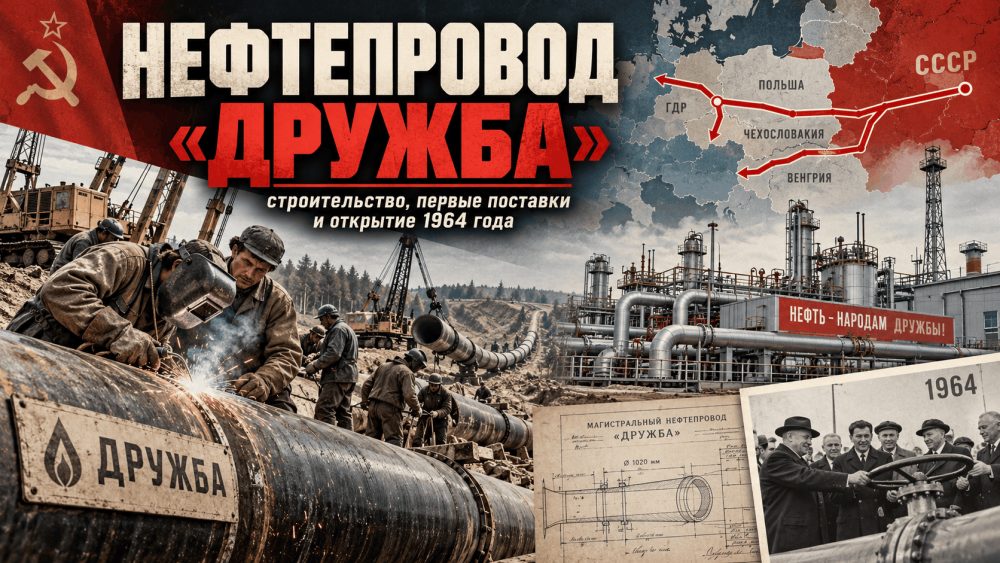
The Druzhba Oil Pipeline: Construction, First Deliveries and the 1964 Opening
Who built Druzhba, why oil reached Bratislava before the formal opening and how the first construction phase differed from the 1974 expansion.
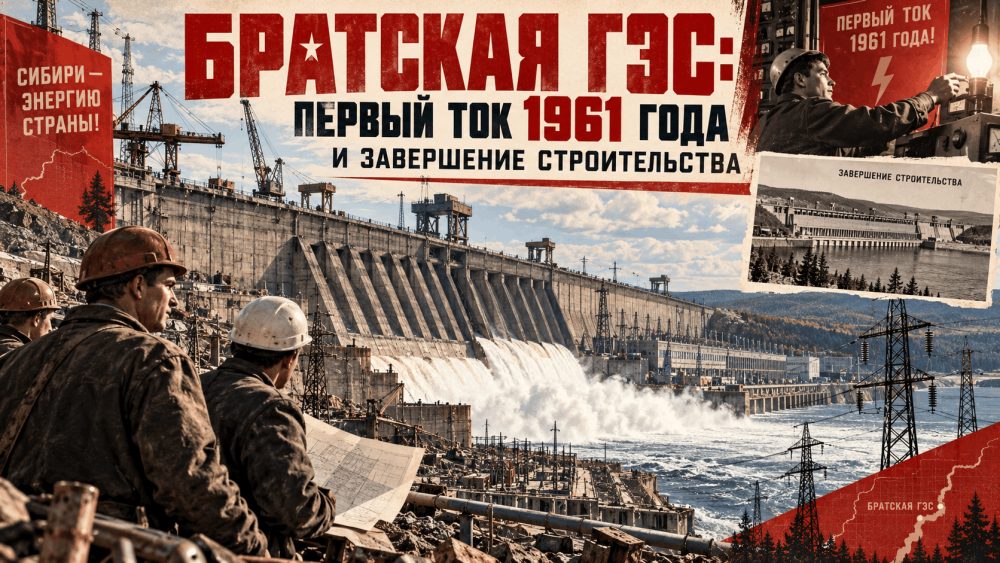
Bratsk Hydroelectric Station: First Power and Completion
Why Bratsk has several commissioning dates: its first units, acceptance in 1967, generating capacity and relocation around the new reservoir.
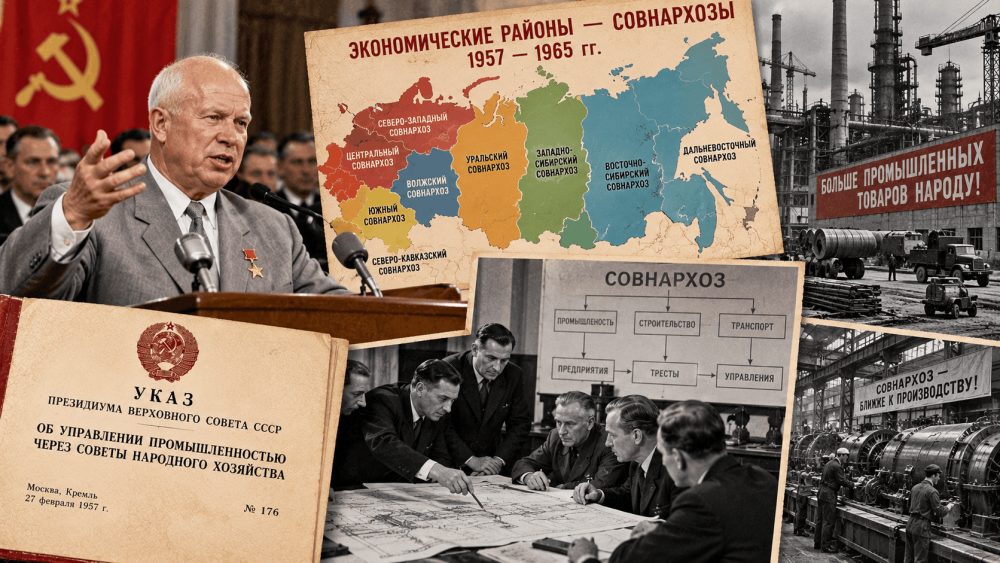
Sovnarkhozy, 1957-1965: Reorganising Soviet Industry
How the 1957 reform transferred enterprises to territorial councils, which functions remained central and why national planning continued.
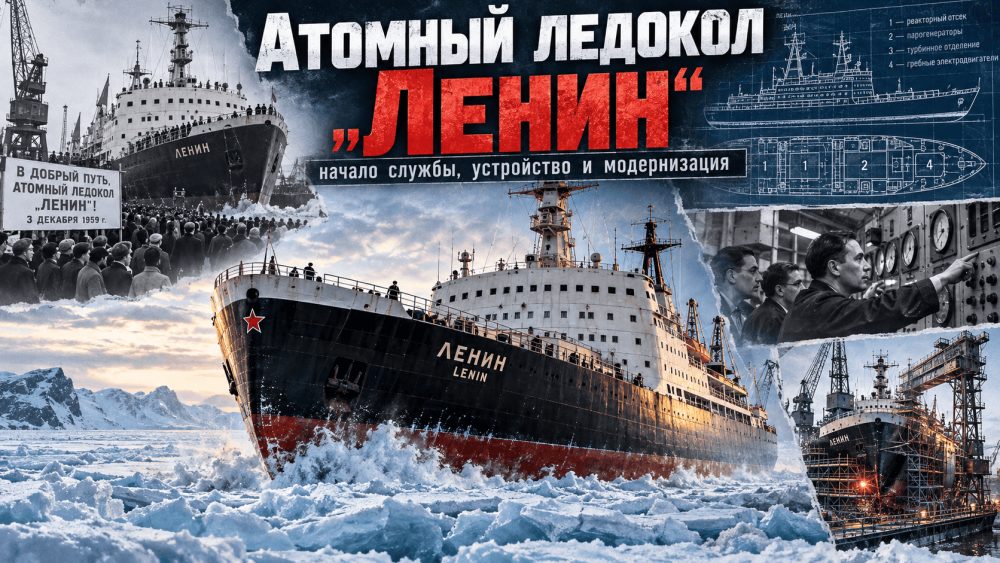
Nuclear Icebreaker Lenin: Entry into Service and Reconstruction
When the nuclear icebreaker Lenin was launched and entered service, how its reactors powered the propellers and why the original installation was replaced.
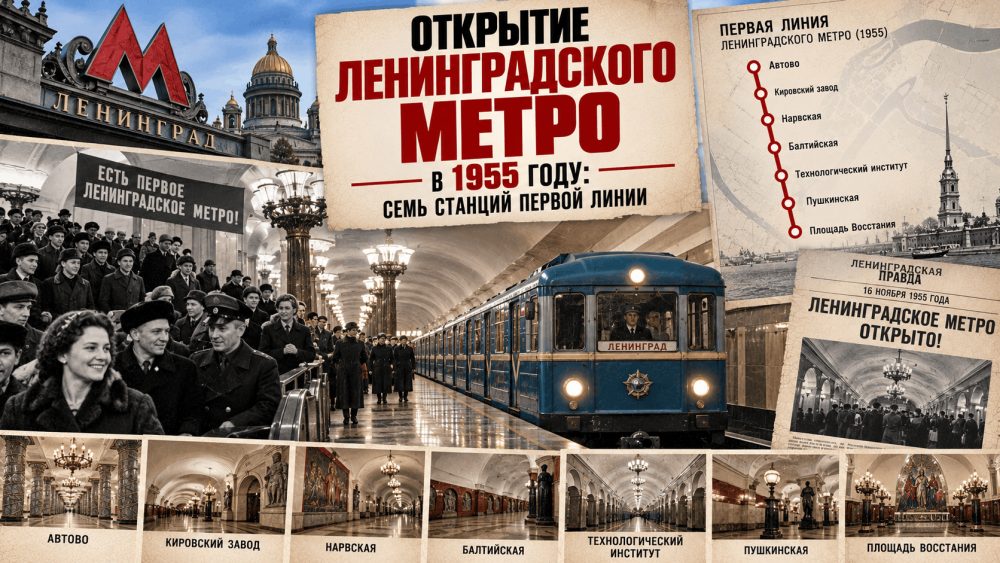
Leningrad Metro’s 1955 Opening: Seven Stations on the First Line
Why Leningrad Metro opened with seven stations although its first stage contained eight: 15 November 1955, Pushkinskaya’s delay and Avtovo’s architecture.
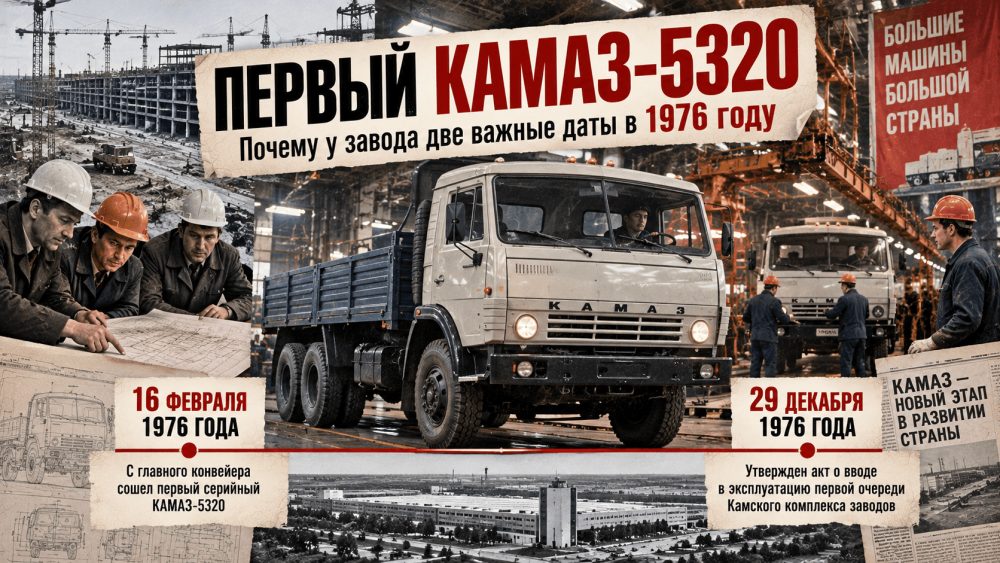
The First KAMAZ-5320: Why the Factory Has Two Milestones in 1976
From construction in 1969 to the first KAMAZ: the 5320’s origins, the growth of Naberezhnye Chelny and the difference between launch and factory acceptance.
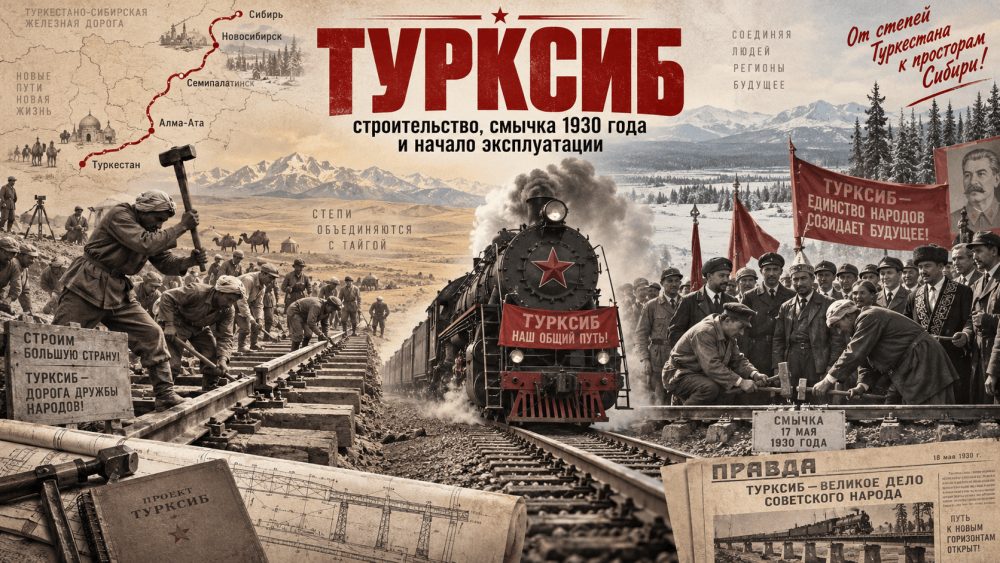
Turksib: Construction, the 1930 Connection and Permanent Operation
Why Turksib was built, Tynyshpaev’s contribution and how the April 1930 track connection differed from permanent operation beginning in January 1931.
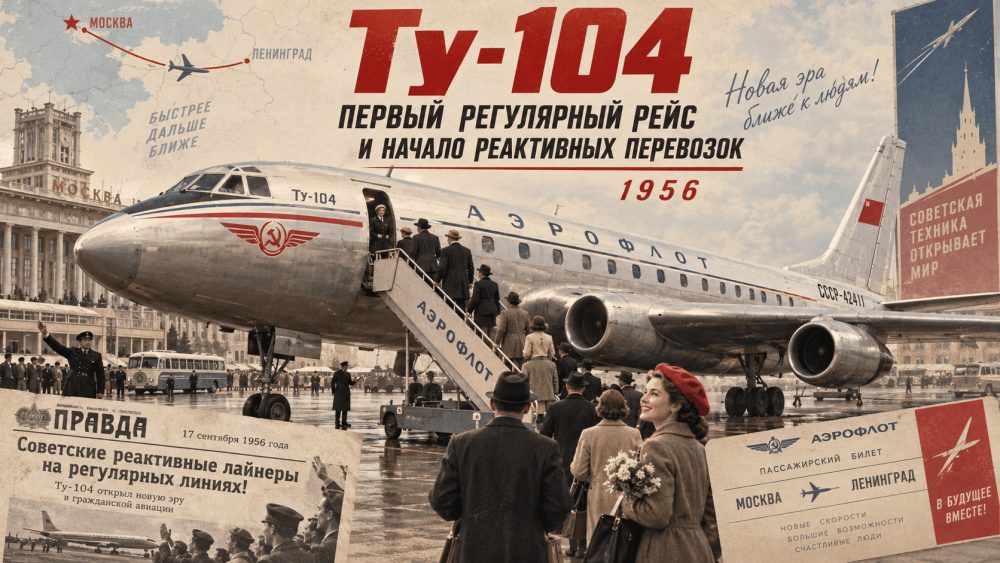
Tu-104 in 1956: The First Scheduled Soviet Jet Service
How the Tu-104 entered service: its 1955 first flight, the Omsk stop, Vnukovo preparations, Prague flights and the earlier commercial debut of Comet.
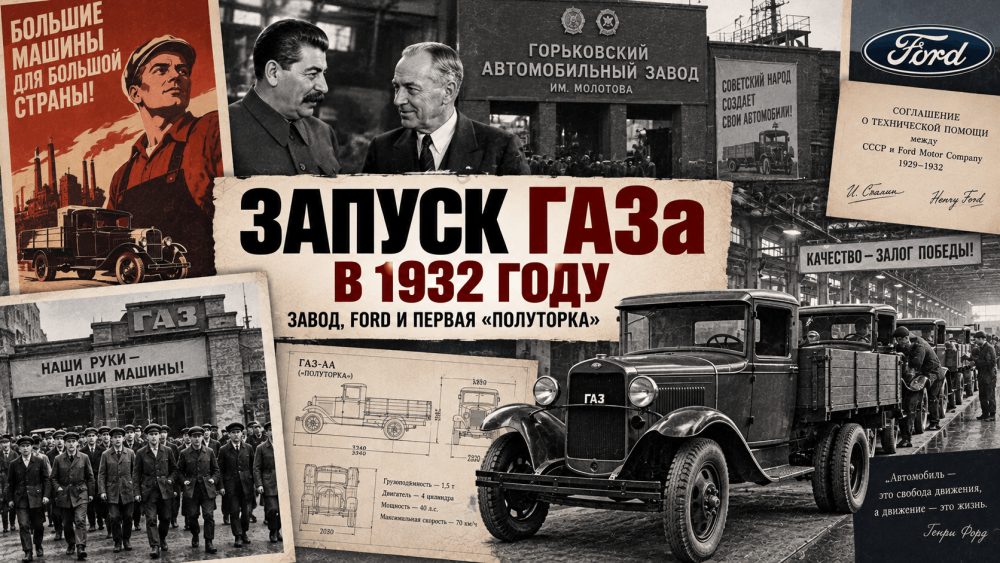
GAZ in 1932: Factory Startup, Ford and the First Truck
Why GAZ has two January milestones: commissioning, the first truck, Ford cooperation, earlier assembly and the change from NAZ-AA to GAZ-AA.
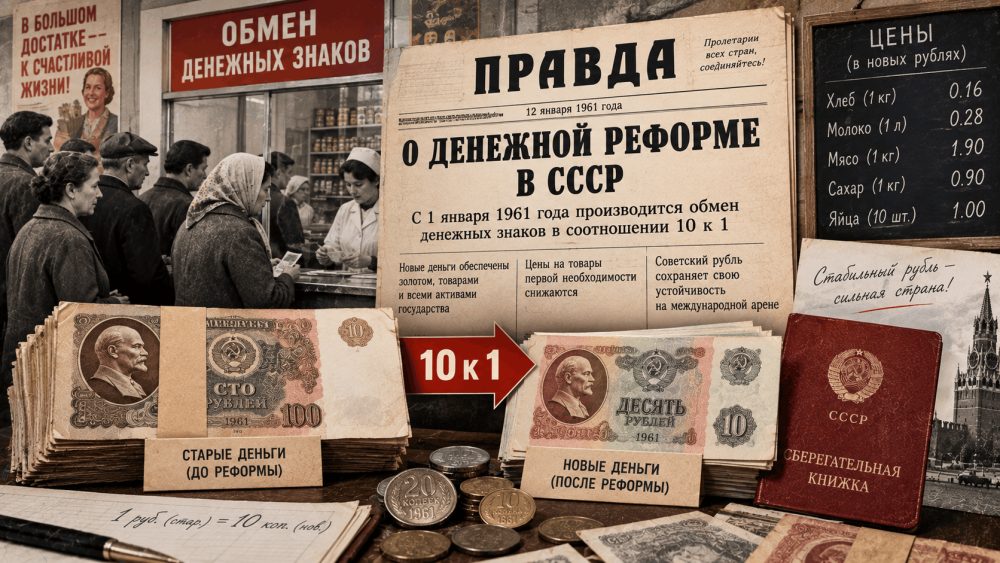
The 1961 Soviet Monetary Reform: Cash, Prices and Exchange Rates
Explore the 1961 reform: cash exchange, savings and wage conversion, rounding rules, the small-coin exception and the changed official dollar rate.
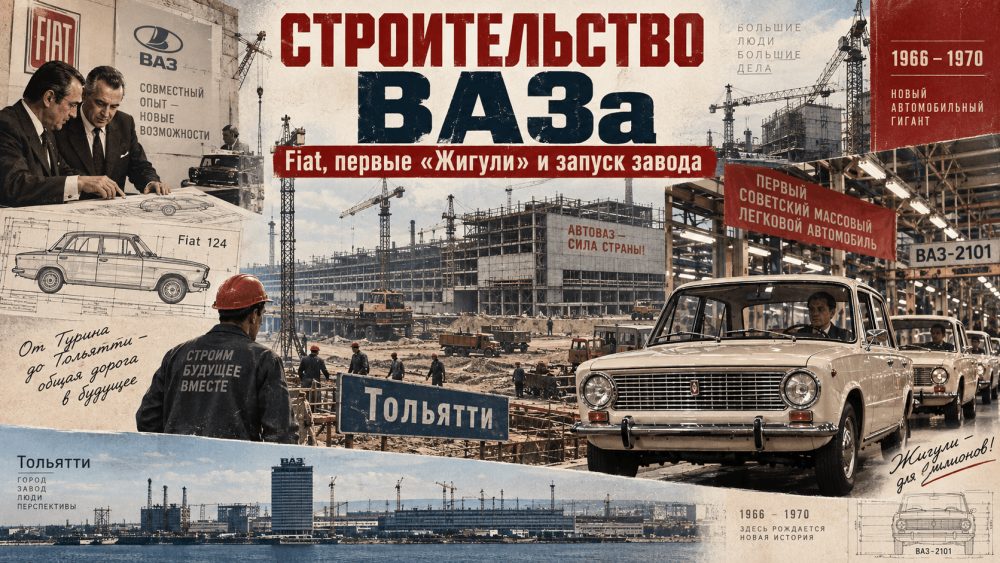
Building VAZ: Fiat, the First Zhiguli Cars and the Factory Launch
Trace VAZ from the 1966 decision and Fiat agreement to the first VAZ-2101s and the 1973 plant acceptance, distinguishing capacity from cumulative output.
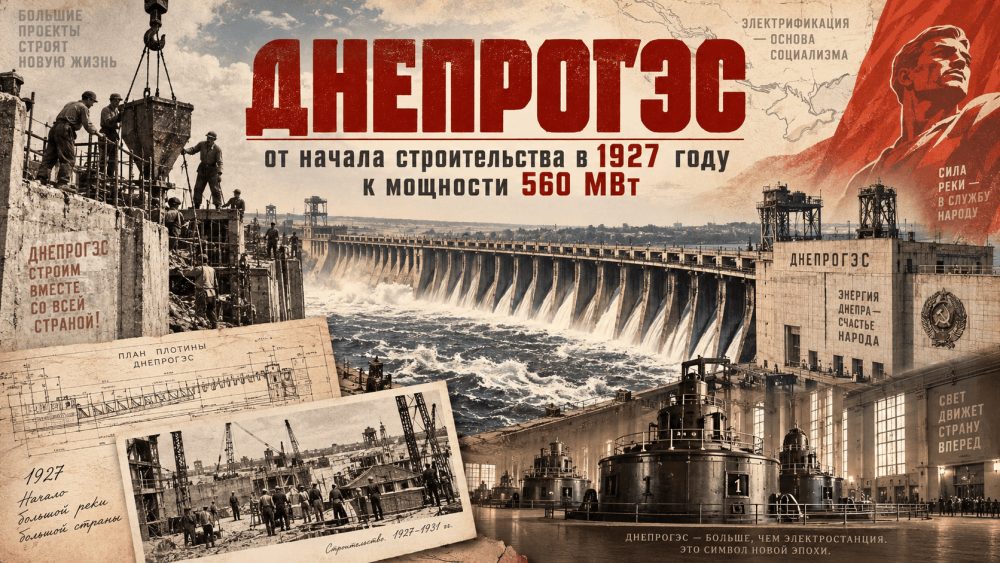
Dneproges: From Construction in 1927 to 560 MW in 1939
Why Dneproges opened in 1932 but reached 560 MW in 1939: the project, imported equipment, construction infrastructure and its role in regional industry.
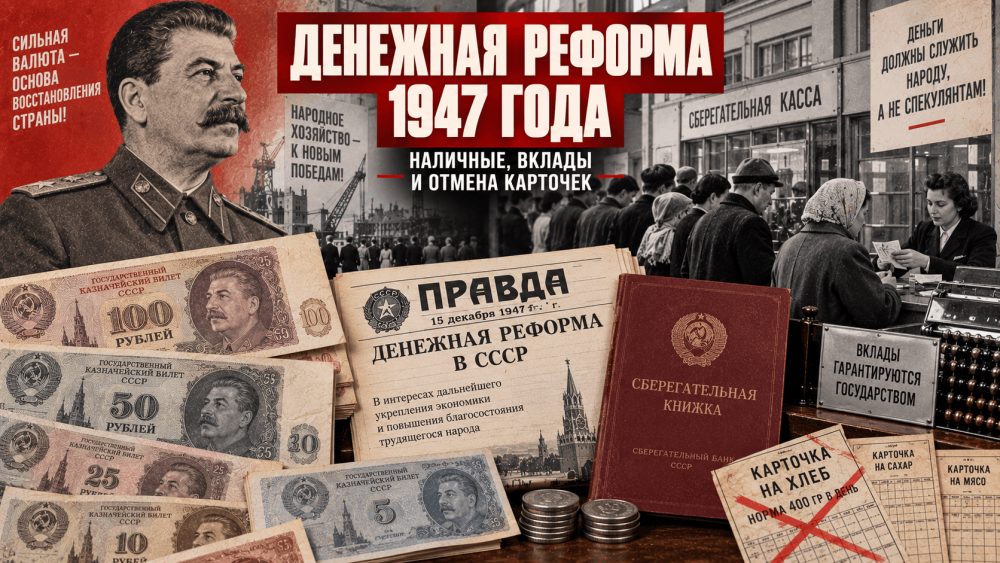
The 1947 Soviet Monetary Reform: Cash, Savings and Ration Cards
How the 1947 Soviet reform treated cash, deposits, wages and ration cards differently. Worked savings examples explain the rules in the original documents.
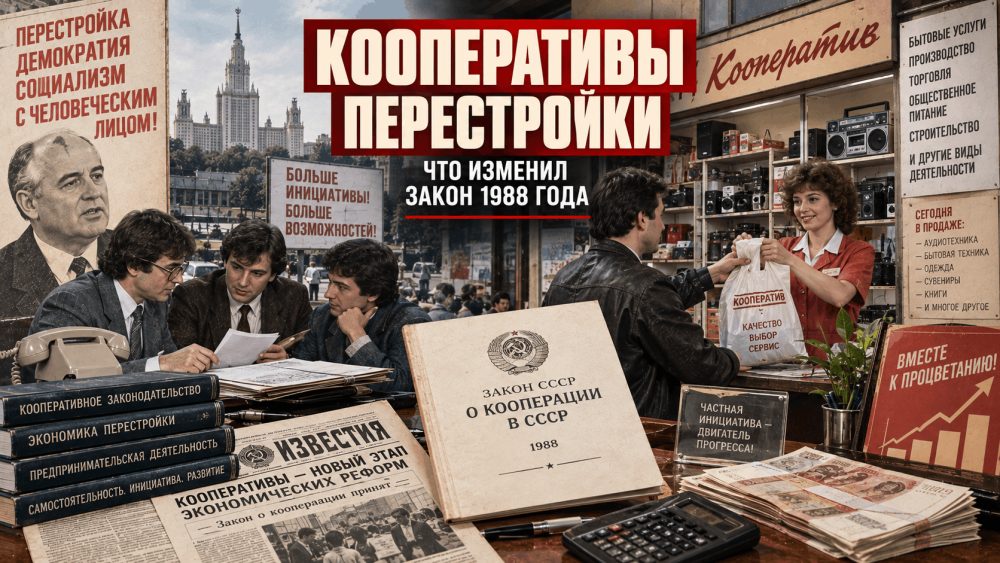
Perestroika Cooperatives: What the 1988 Soviet Law Changed
Explore the 1988 Soviet cooperative law, membership, autonomy, prices and income, and how cooperatives differed from individual work and state enterprises.
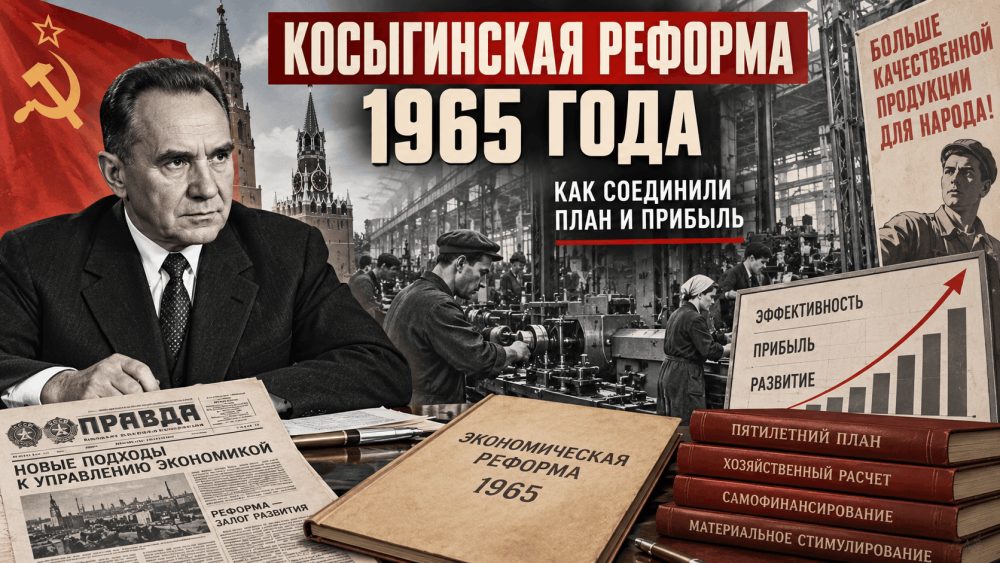
The 1965 Kosygin Reform: Planning, Profit and Enterprise Funds
How did the 1965 Kosygin reform change enterprise incentives? Explore profit, sales, three enterprise funds and the limits of autonomy within Soviet planning.
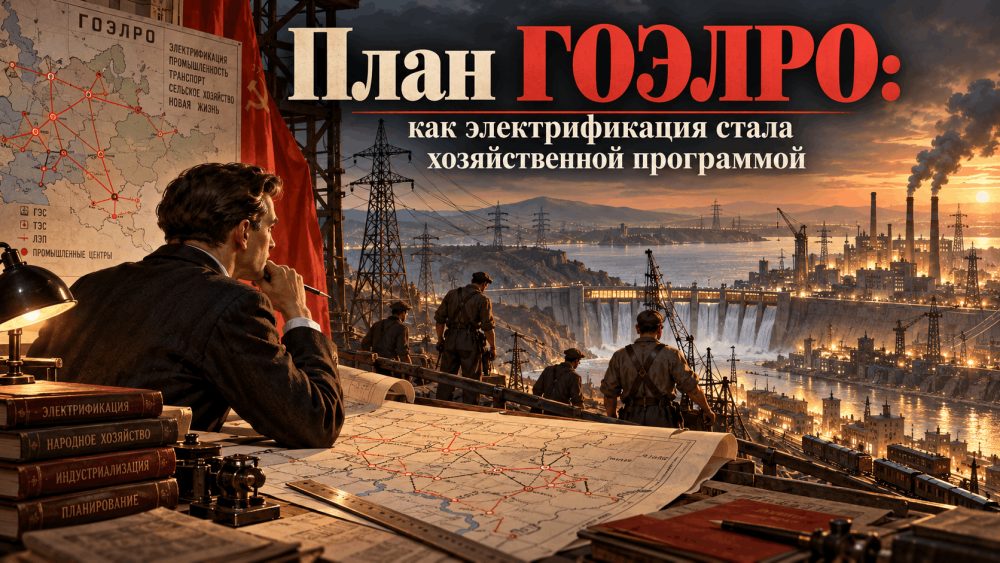
GOELRO: How Electrification Became an Economic Plan
What was GOELRO? Learn how the 1920 electrification plan linked power stations with regional development, and how to distinguish proposals from results.
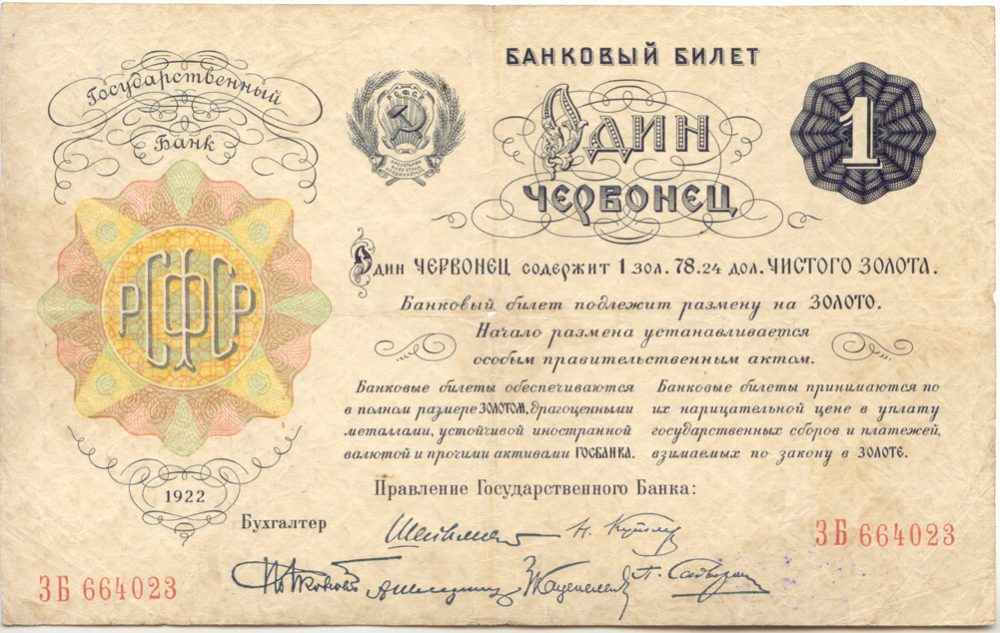
The New Economic Policy: Why Private Trade Returned
How the NEP changed the relationship between the Soviet state, peasants and private businesses during the 1920s.
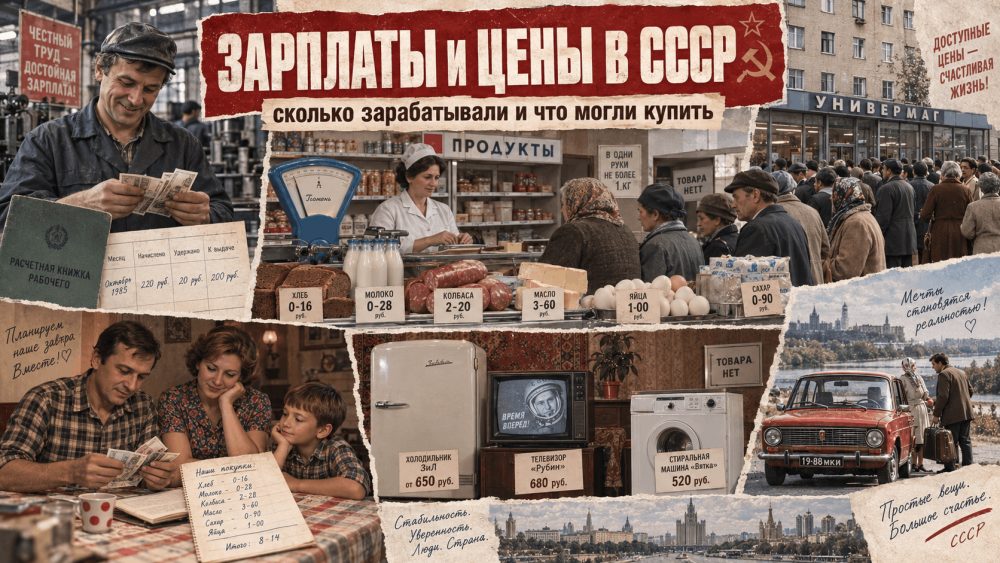
Wages and Prices in the USSR: What Could a Soviet Salary Buy?
What Soviet people earned, what bread, meat, televisions and cars cost, and why a low official price did not always mean an easy purchase. A year-by-year guide grounded in Soviet statistical yearbooks.
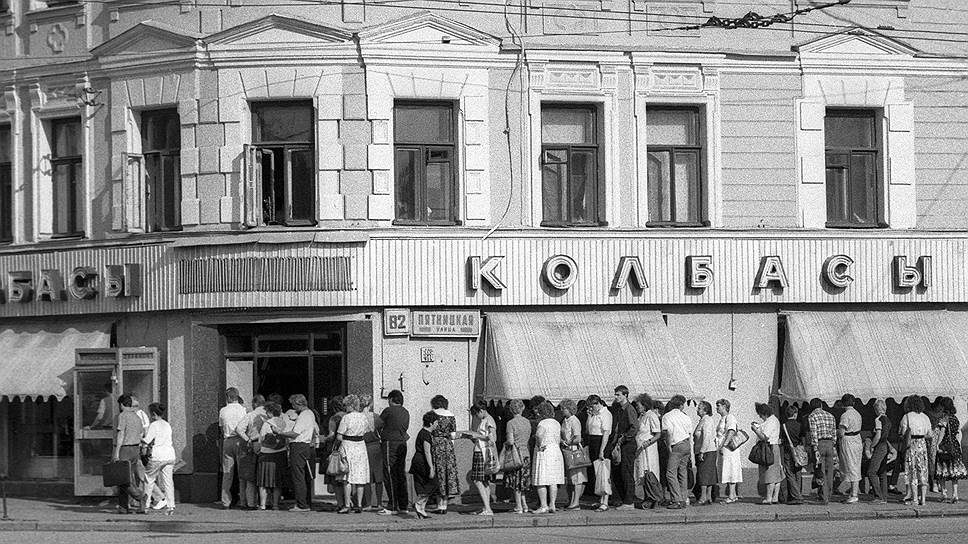
Shortages and queues: how Soviet retail worked
Shortages and queues are among the defining memories of Soviet daily life. Why everyday goods were often impossible to buy, how people coped — and what was cheap and guaranteed.
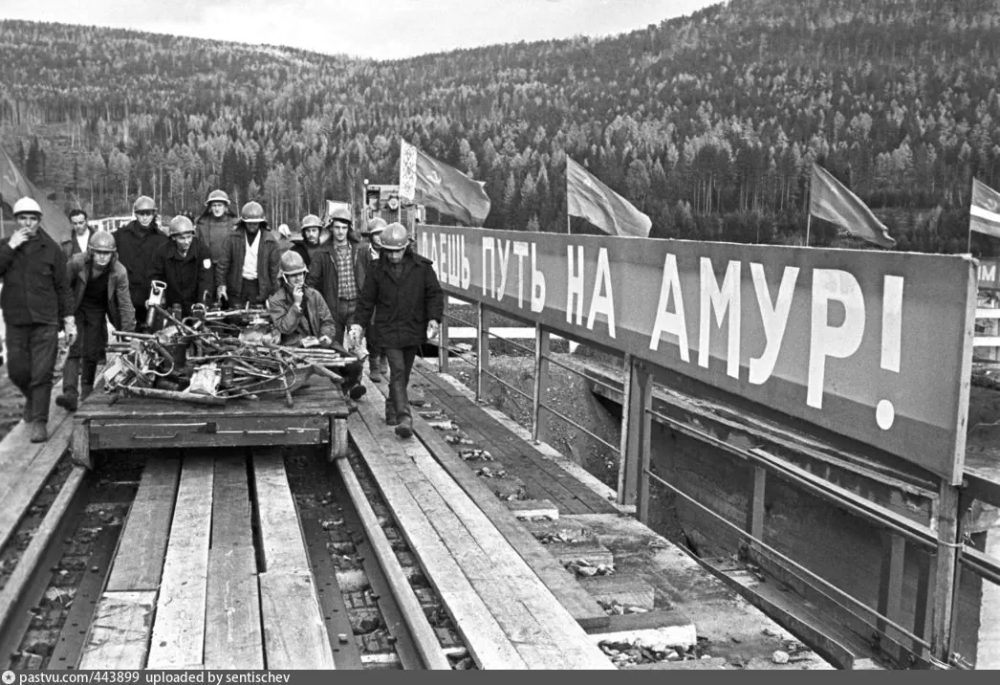
The BAM: the last great construction project of the USSR
Three thousand kilometers across permafrost, seven mountain ranges and hundreds of rivers. A railway begun by prisoners, built by "the whole country," and finished in the year the country ceased to exist. The story of the project of the century, with its romance, its camp past, and a "what for" that was answered only recently.
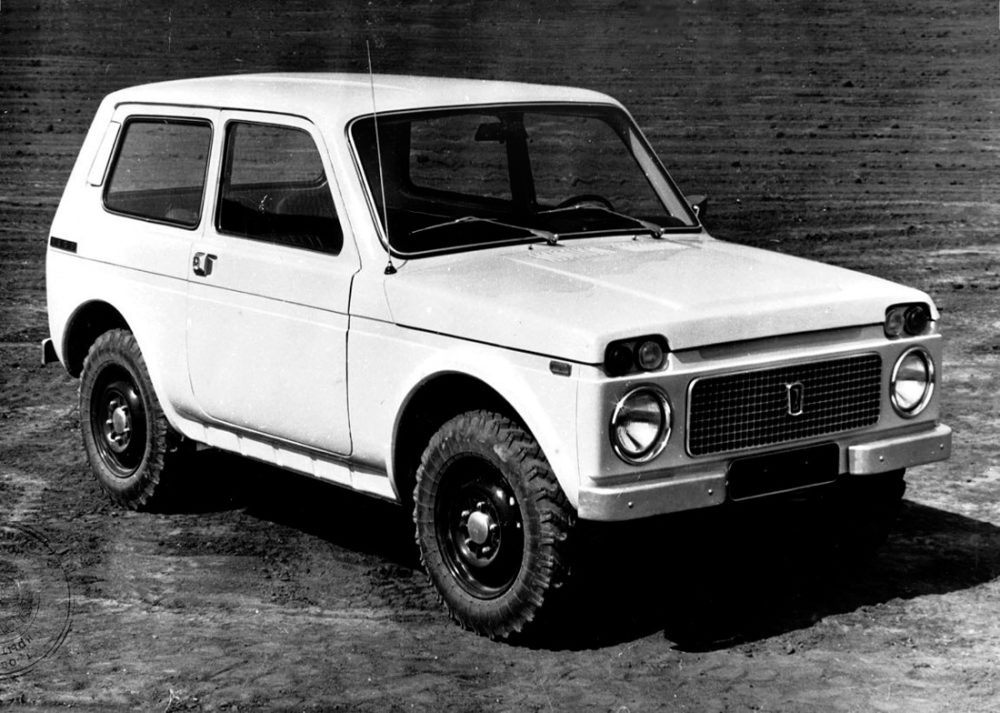
Soviet cars: a waiting list five years long
An Italian factory on the Volga, a car priced at five annual salaries, and a years-long line to buy one. How the USSR built a people's car, why the Niva conquered Europe, and what the Zhiguli says about the planned economy more honestly than any textbook.
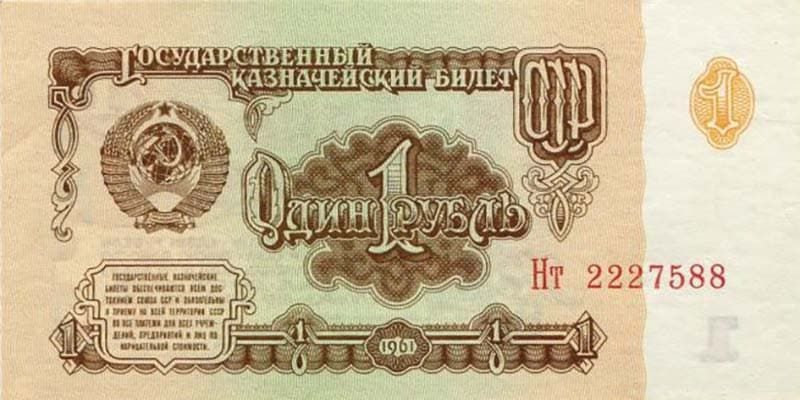
The Soviet ruble: money that could not buy
A currency whose rival, the dollar, could put you before a firing squad. Three different rubles in one country, shops for "real money" only, and two reforms that confiscated savings in three days. The Soviet economy, told through a banknote.
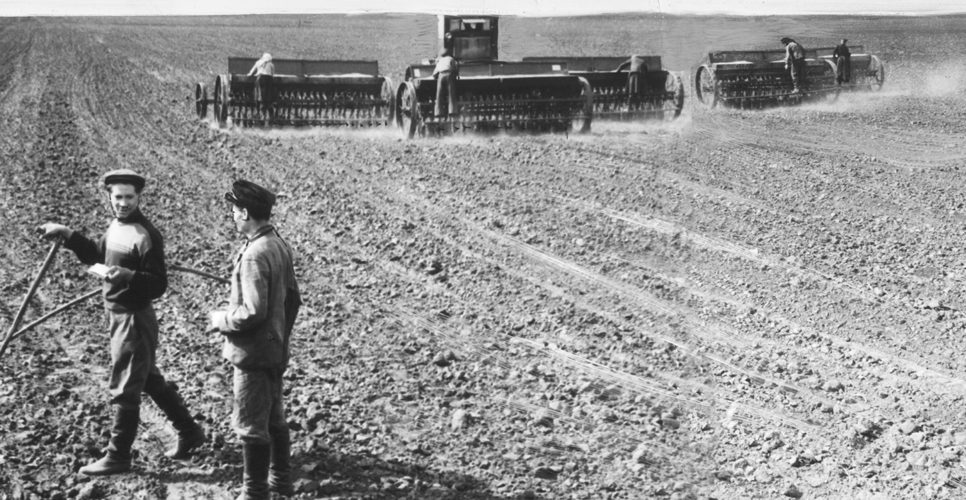
The Virgin Lands: a steppe plowed in a single summer
A territory the size of several European countries, raised by the plow in a handful of years. A record harvest that turned into dust storms, and grain that was literally blown away by the wind. The story of Khrushchev's great gamble and what it did to the steppe.
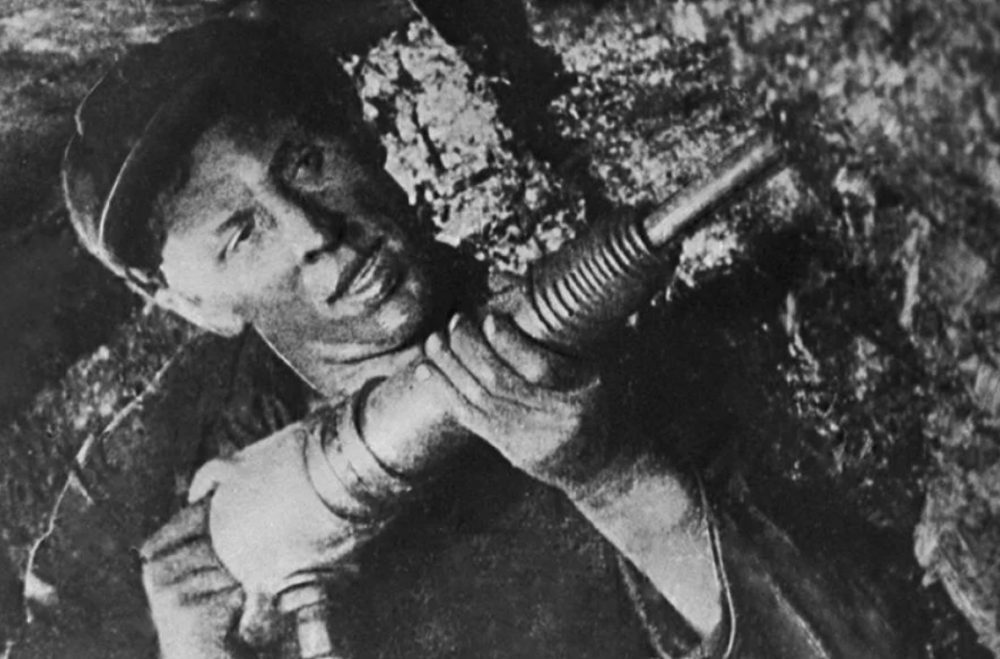
The Stakhanovites: the record that raised everyone's quota
A night shift, 102 tons of coal, and the party organizer with a newspaper editor down in the same pit. How one record became an all-Union cult, why fellow workers often hated the record-setters, and how the word Stakhanovite entered the world's dictionaries.
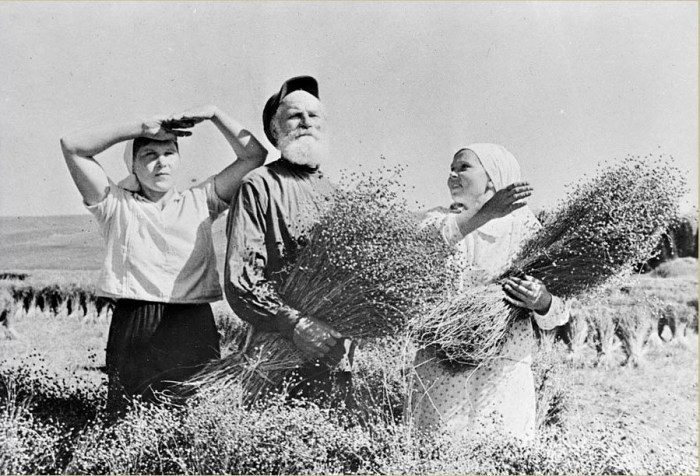
The kolkhoz: the village that lost its land
Work paid in tally marks in an accountant's notebook, a passport that did not exist, and a garden plot that outproduced every field around it. How the system that held the Soviet village for half a century worked, and why the whole world knows the word kolkhoz.
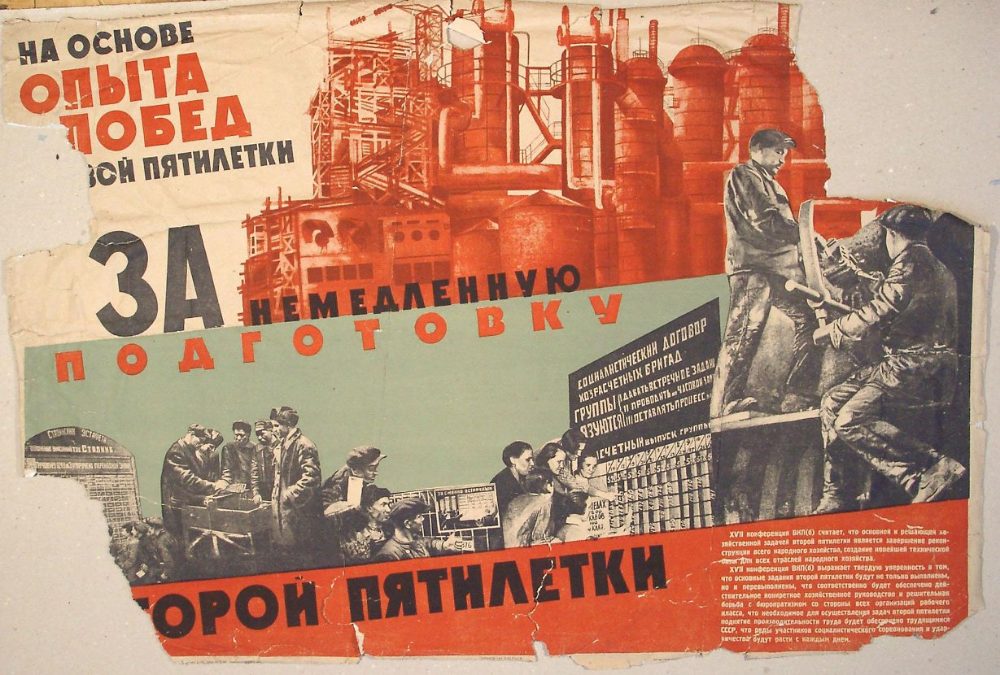
Five-Year Plans and the planned economy: how the Soviet economy worked
In the USSR the economy was run not by the market but by the state. What Gosplan and the Five-Year Plans were, how the country became an industrial power in a decade — and why shortages arose all the same.
Section guide
The Soviet economy: from the NEP and five-year plans to shortages and cooperatives
The Soviet economy changed repeatedly and was never identical throughout the country's history. During the 1920s, the guide to the New Economic Policy temporarily restored private trade and limited entrepreneurship. By the end of the decade the direction had changed sharply toward forced industrialization, collectivization and centralized planning. The overview of five-year plans and the planned economy explains how Gosplan allocated resources and why five-year plans became the central language of Soviet economic policy.
Central planning made it possible to concentrate enormous resources on selected priorities: power stations, steel, machine building, railways and defense production. This is why Soviet economic history is closely connected with projects such as DniproHES, Turksib, VAZ, KAMAZ and the Baikal-Amur Mainline. Productivity was pursued not only through new machinery but through mass campaigns such as shock work and the Stakhanovite movement. Yet official output figures did not always match what consumers encountered in shops.
The consumer side of the system matters just as much. The state kept many basic prices low, but limited flexibility and weak feedback from demand often produced shortages. The article on shortages and queues explains why having money did not necessarily mean being able to buy a desired product, while the history of the Soviet ruble looks at wages, administered prices, currency reforms and the official exchange rate. Soviet consumption therefore cannot be reduced to either “everything was cheap” or “nothing was available”: access varied greatly by period, region and product.
By the 1980s, economic weakness had become one of the state's central problems. Reforms tried to grant enterprises greater autonomy, and the guide to perestroika-era cooperatives brought legal private initiative back into many areas of services, trade and production. This section connects macroeconomic policy with concrete experiences—factories, wages, rubles, queues and consumer goods—so that the effects of economic decisions on everyday life remain visible.
Comparisons across decades require care. A ruble in the 1930s, 1960s and late 1980s existed under very different conditions, and an official price alone says little about whether a product could actually be obtained. The articles therefore consider monetary reforms, supply systems, queues, regional differences and household purchasing possibilities alongside output and wage statistics. This makes it possible to discuss the Soviet economy without reducing it either to nostalgic memories or to a single story of failure.