People
Cosmonauts, scientists, leaders, engineers and artists — the lives of the people who shaped the era.
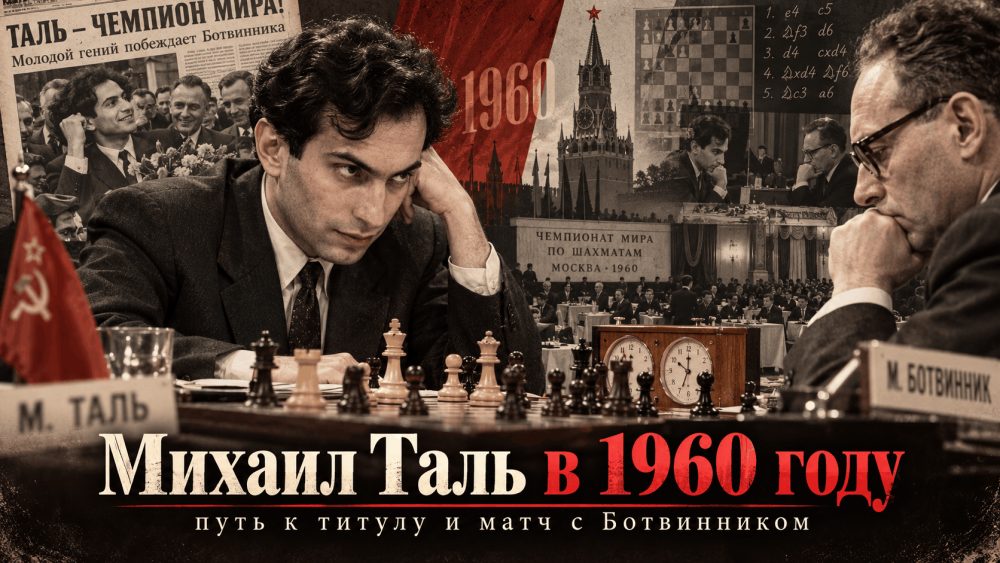
Mikhail Tal in 1960: Becoming Champion Against Botvinnik
How Tal qualified, what the score of 12½ to 8½ means and why the 1961 rematch did not erase his championship or define his entire career.
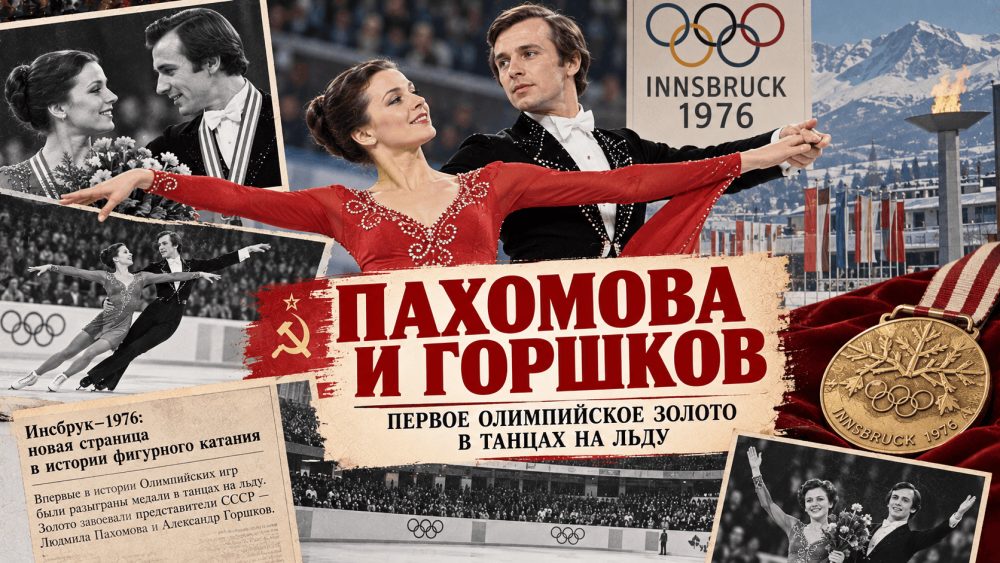
Pakhomova and Gorshkov: The First Olympic Ice Dance Gold
Why Pakhomova and Gorshkov’s Innsbruck victory was a first: their earlier career, Tchaikovskaya, Gorshkov’s return and how to read the results.
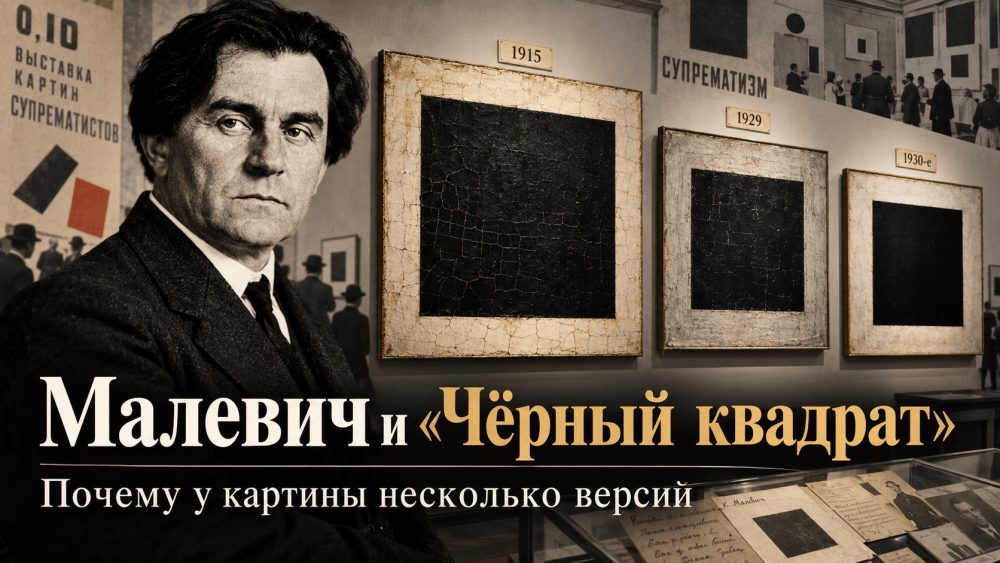
Malevich and Black Square: Why There Are Several Versions
How Malevich returned to Black Square: the 1915 canvas, the 1929 version, differing museum dates and the development of the idea in his letters.
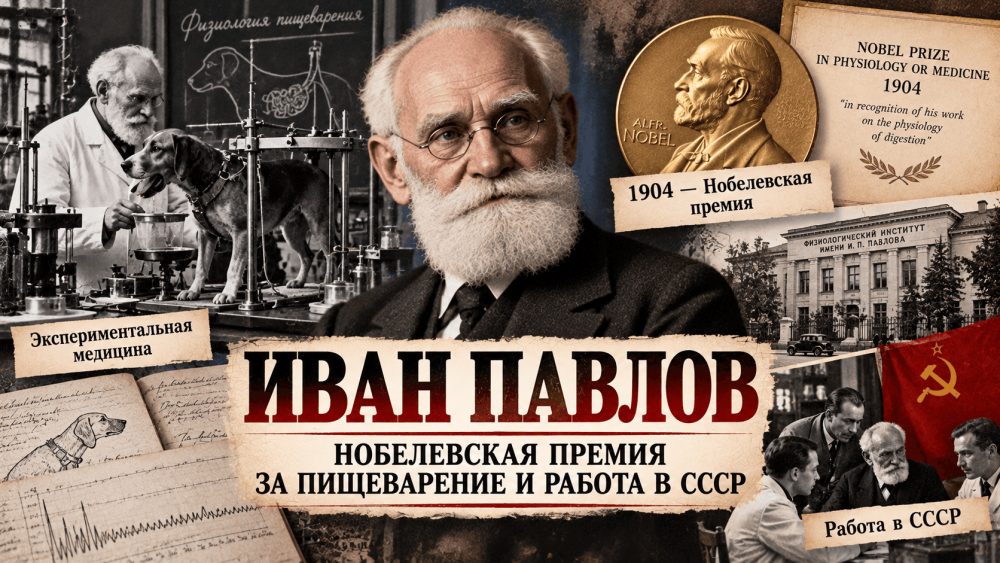
Ivan Pavlov: A Nobel Prize for Digestion and His Soviet Years
Why Ivan Pavlov received the 1904 Nobel Prize, how digestion research led to conditioned reflexes and what his letters reveal about his Soviet years.
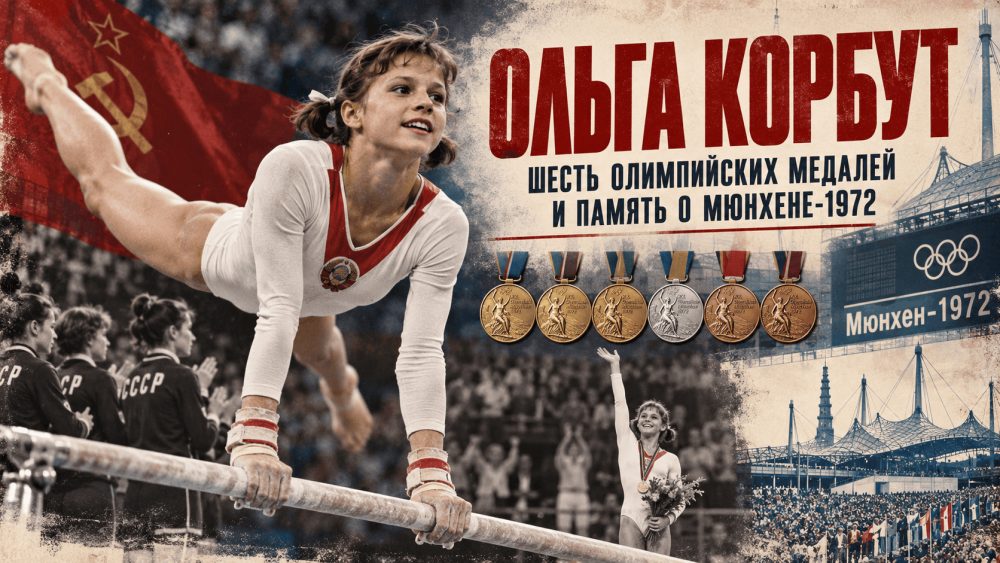
Olga Korbut: Six Olympic Medals and the Memory of Munich 1972
Which medals Olga Korbut won in Munich and Montreal, why she was not an all-around champion and how to distinguish her results from sporting legend.
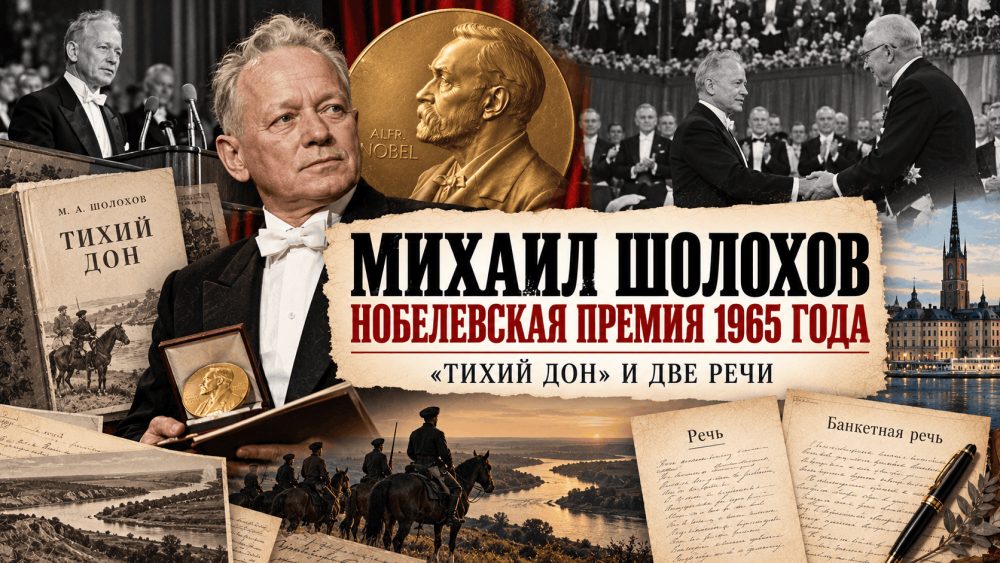
Sholokhov’s 1965 Nobel Prize: Quiet Don and Two Speeches
Why Sholokhov received the 1965 Nobel Prize: the publication history of Quiet Don, the Swedish Academy’s explanation and the writer’s banquet speech.
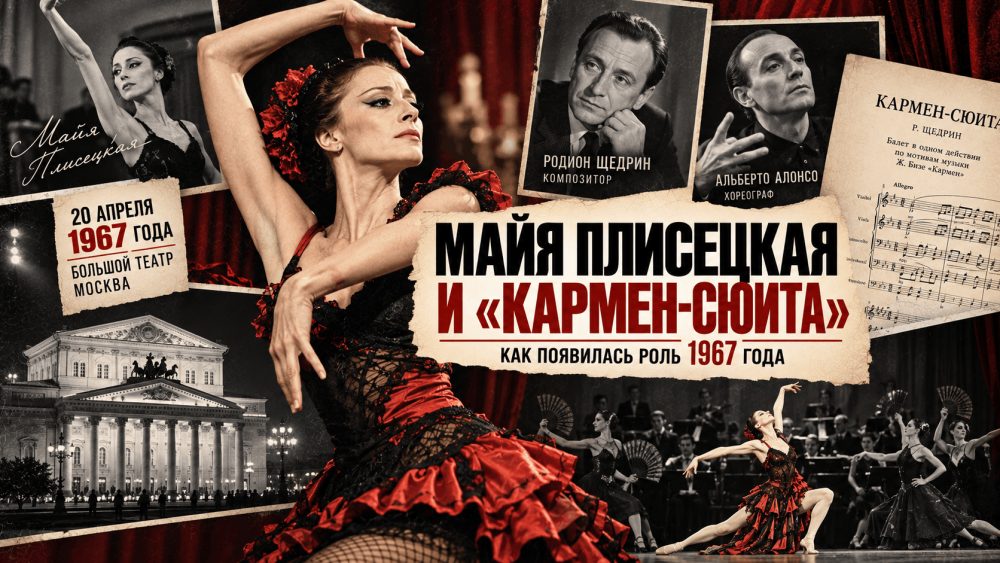
Maya Plisetskaya and Carmen Suite: Creating the Role in 1967
How Maya Plisetskaya’s initiative brought together Alberto Alonso, Rodion Shchedrin and Boris Messerer: the music, design and later life of Carmen Suite.
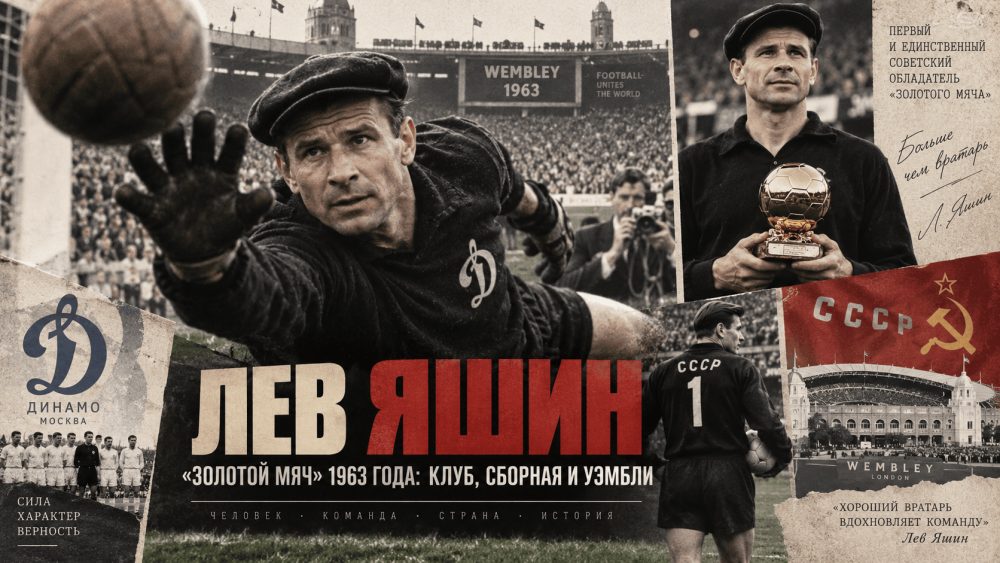
Lev Yashin and the 1963 Ballon d’Or: Dynamo, the USSR and Wembley
Dynamo’s championship, the Wembley centenary match and Yashin’s Ballon d’Or: the 1963 season in the context of Olympic gold and European success.
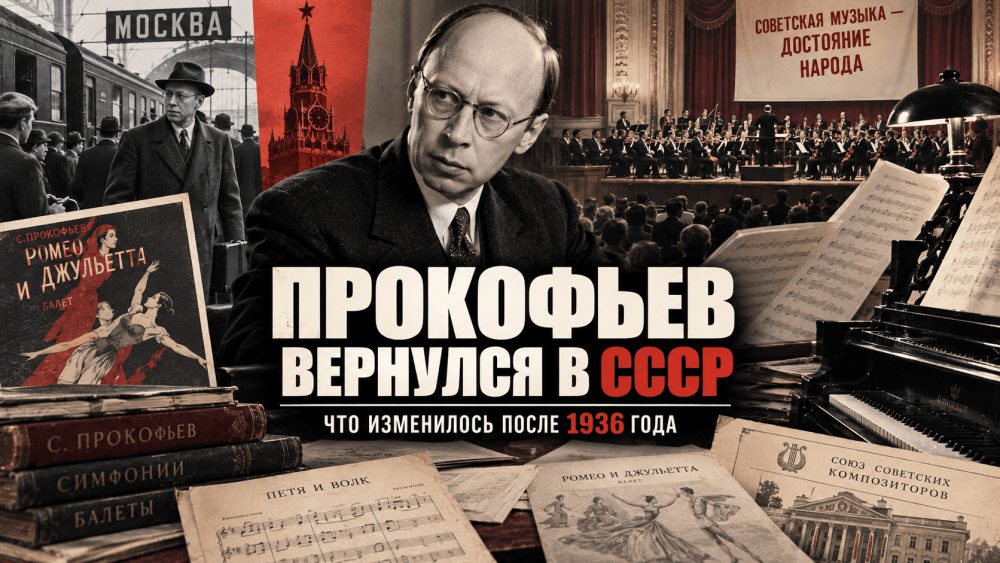
Prokofiev Returns to the USSR: The Move in 1936 and Its Aftermath
Prokofiev’s move to Moscow: earlier tours, Peter and the Wolf, ballet, film music and the pressures of Soviet cultural policy in 1948.
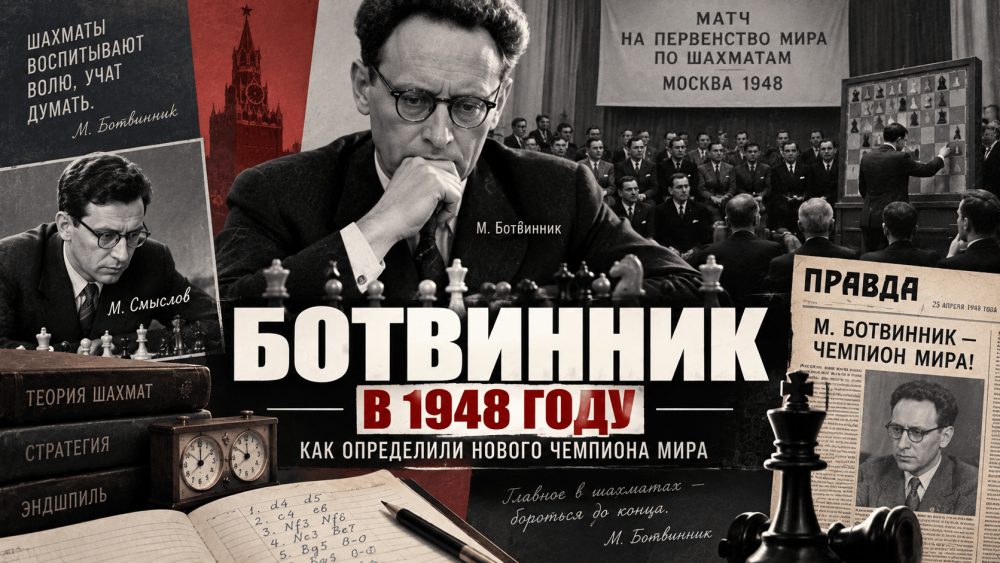
Botvinnik in 1948: How a Tournament Decided the World Title
How Botvinnik won in 1948: five players, The Hague and Moscow, 14 points from 20 games, systematic preparation and FIDE’s new championship cycle.
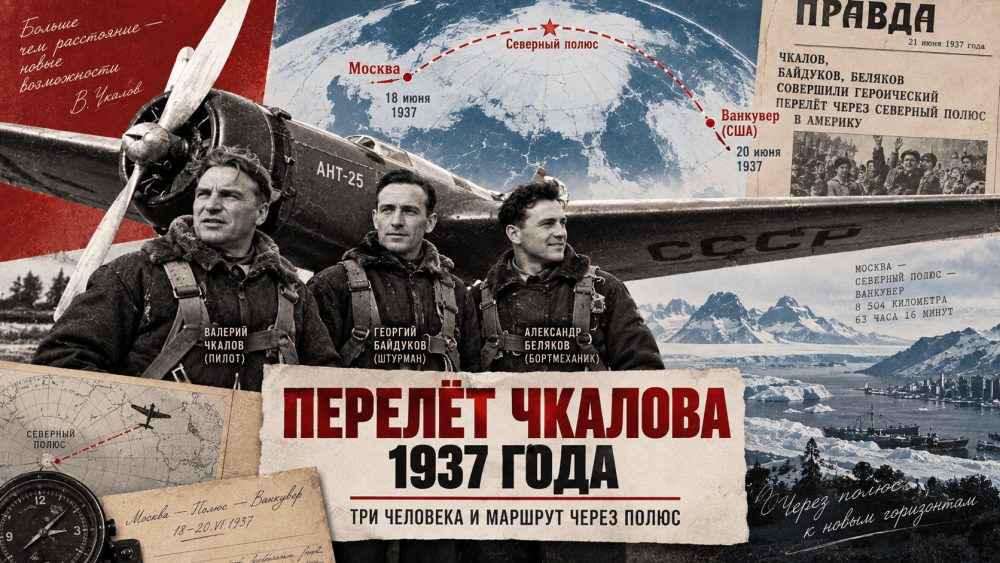
Chkalov’s 1937 Transpolar Flight: Three Aviators and an American Landing
How the ANT-25 crew flew from Moscow to the USA: three distinct roles, Arctic conditions, the landing in Vancouver, Washington, and the memory of the flight.
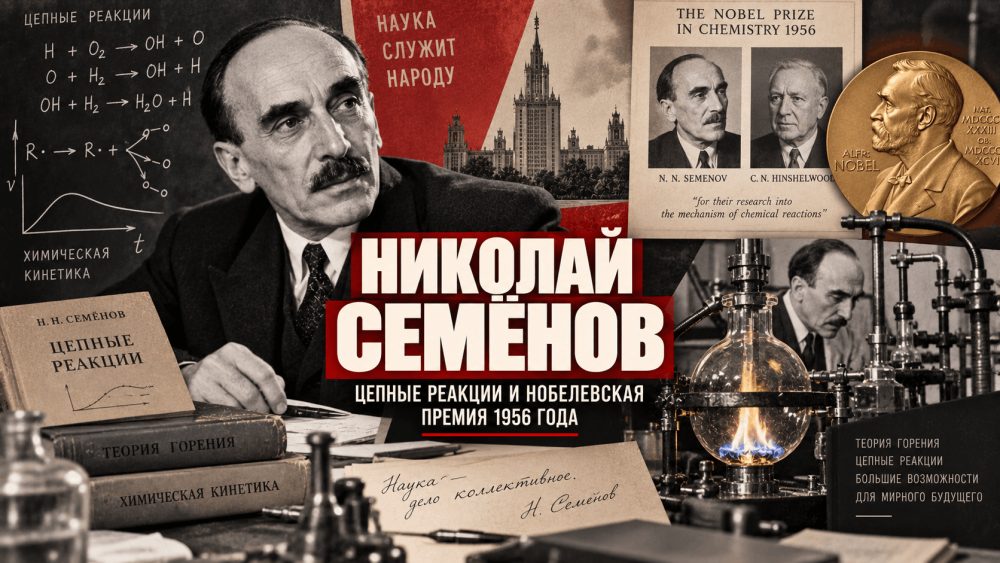
Nikolay Semenov: Chain Reactions and the 1956 Nobel Prize
Understand Nikolay Semenov’s 1956 Chemistry Nobel: chain propagation, branching, termination, thermal feedback and the work of his research school.
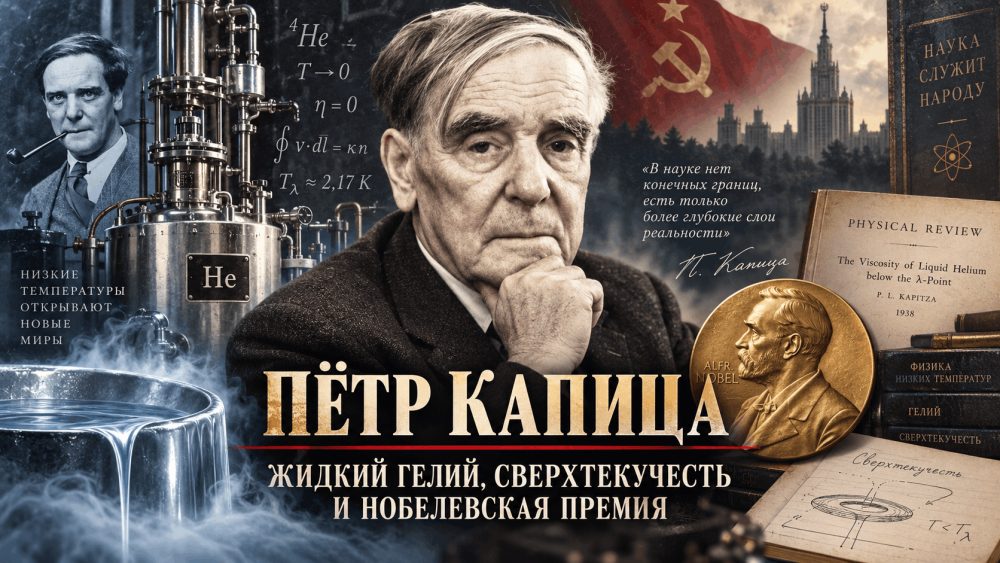
Pyotr Kapitsa: Liquid Helium, Superfluidity and the Nobel Prize
What earned Pyotr Kapitsa the 1978 Nobel Prize: liquid-helium techniques, superfluidity, Cambridge and Moscow, and how his experiments differed from Landau’s theory.
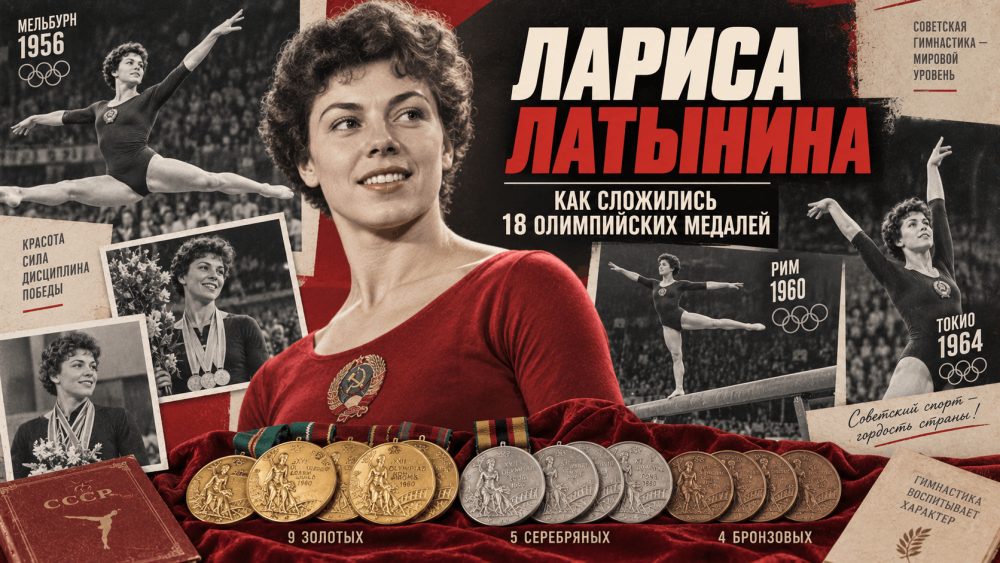
Larisa Latynina: The Story Behind Eighteen Olympic Medals
Explore Larisa Latynina’s 18 medals at Melbourne, Rome and Tokyo: nine golds, all-around titles, floor victories and the meaning of her Olympic record.
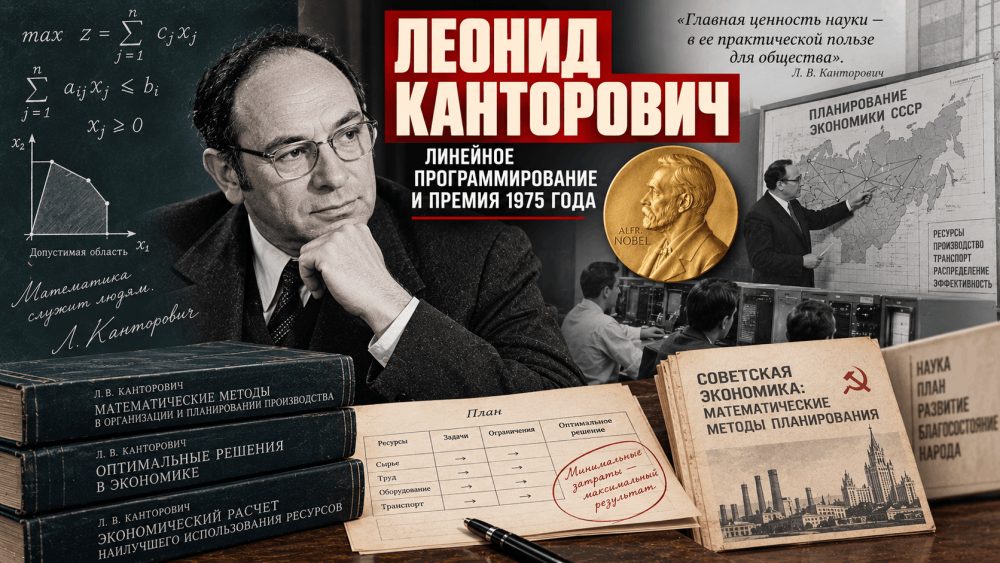
Leonid Kantorovich: Linear Programming and the 1975 Economics Prize
Why did Leonid Kantorovich win the 1975 economics prize? Explore linear programming, resource constraints and an original worked example proving an optimal plan.
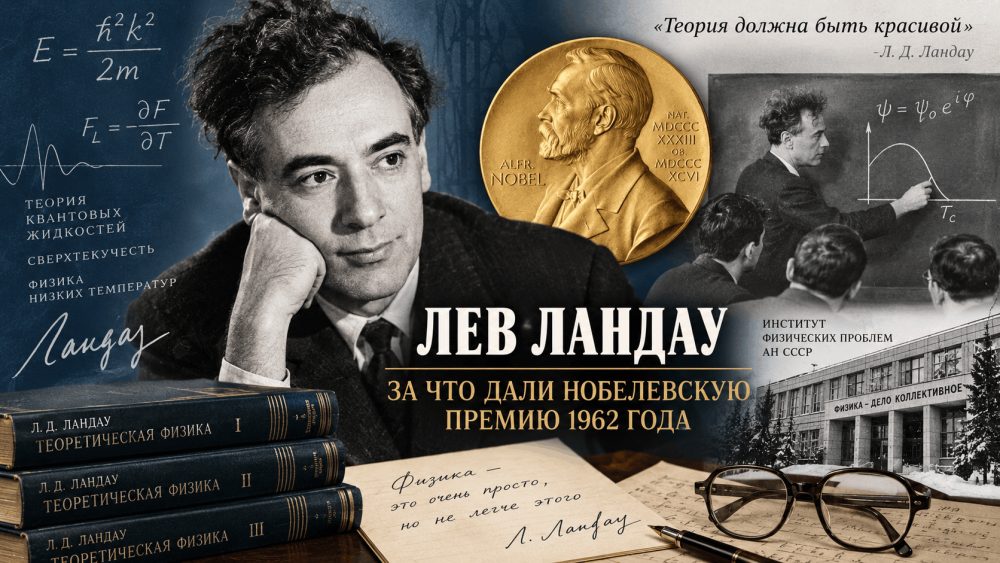
Lev Landau: Why Quantum Liquids Won the 1962 Nobel Prize
Why did Lev Landau win the 1962 Nobel Prize? A clear guide to liquid helium, superfluidity, quasiparticles and the documents behind his scientific recognition.
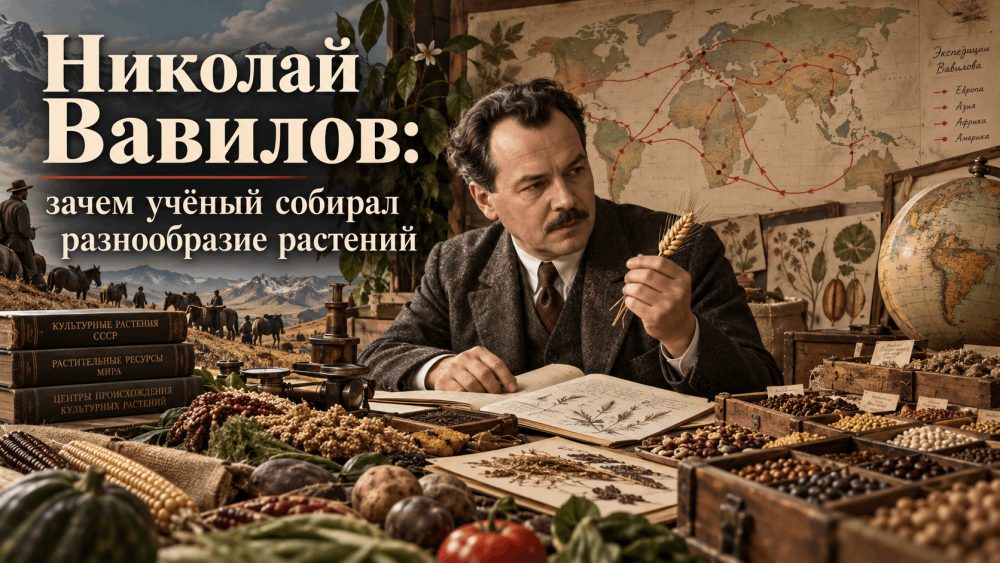
Nikolai Vavilov: Why Crop Diversity Was Worth Collecting
Explore Nikolai Vavilov’s work on crop diversity, the purpose of seed collections, his imprisonment and how historical samples support modern research.
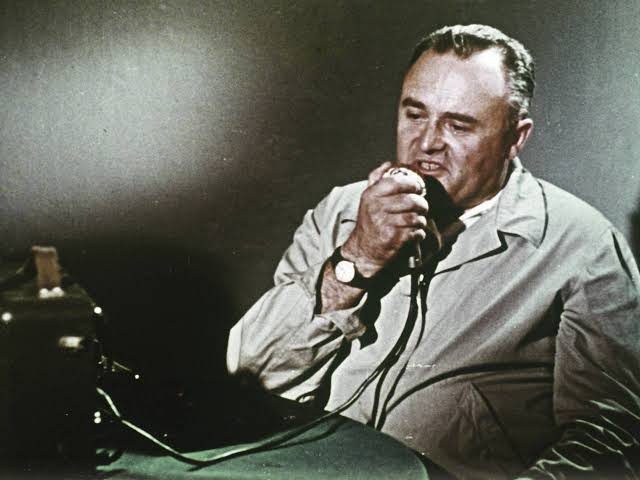
Sergei Korolev: the chief designer of the Soviet space programme
The man who put the USSR into space first. He survived Stalin's camps, launched the first satellite and Gagarin — yet during his life his very name was a secret.
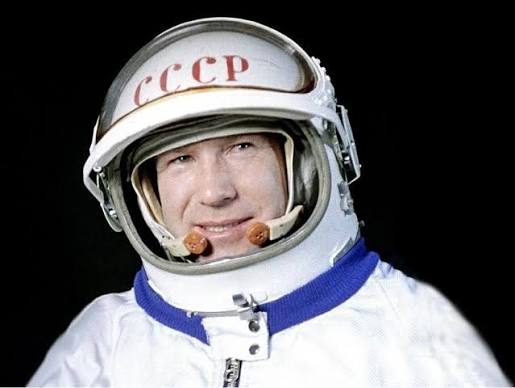
Alexei Leonov: the first human to walk in space
On 18 March 1965 Alexei Leonov became the first person to walk in space. The story of a feat that nearly turned to tragedy, a night in the taiga and a historic handshake in orbit.
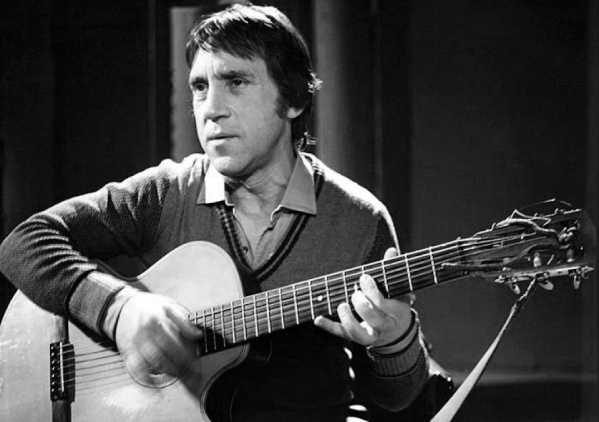
Vladimir Vysotsky: the voice of an era, with a seven-string guitar
A poet, singer and actor called "the voice of the heart of a nation." How Vysotsky became a nationwide idol even though the authorities barely recognized him in his lifetime.
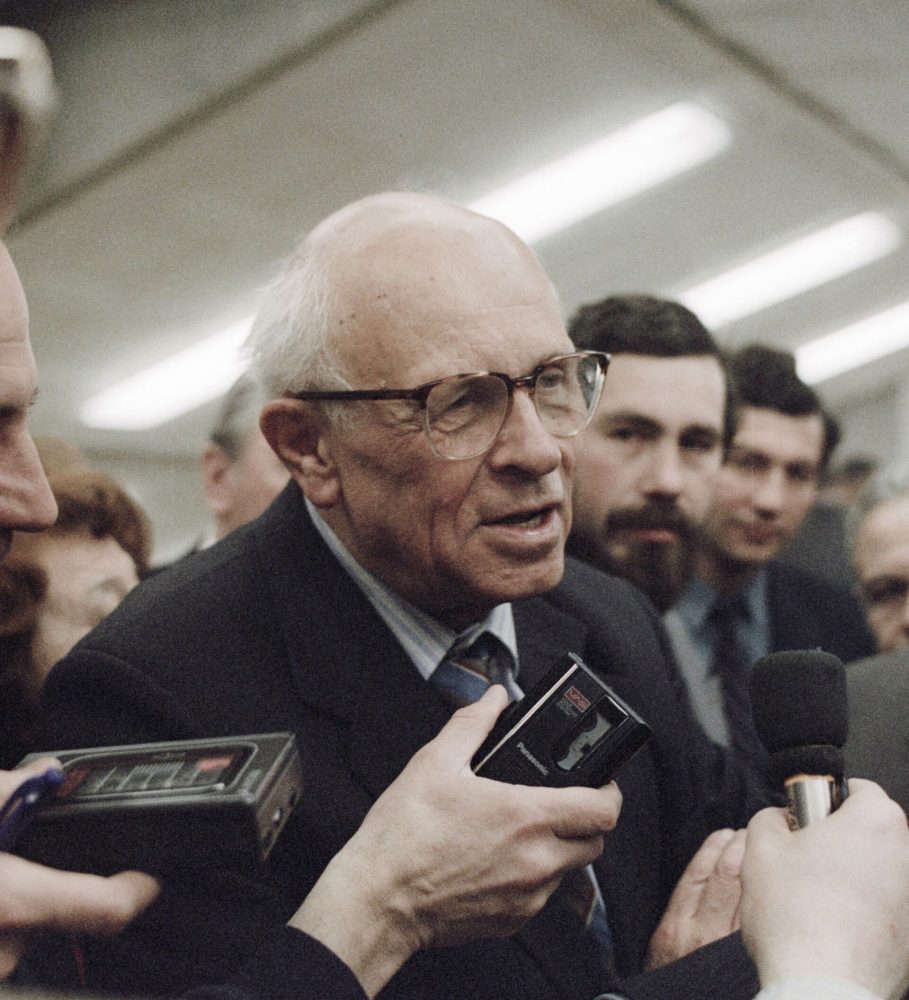
Andrei Sakharov: from the hydrogen bomb to the fight for human rights
The physicist who created the Soviet hydrogen bomb and then became the USSR's most famous dissident and a Nobel Peace Prize laureate. The story of "the conscience of mankind."
Section guide
People of the USSR: biographies that reveal the history of a country
Large historical processes become easier to understand through individual lives. The Soviet era produced cosmonauts, physicists, engineers, writers, performers and athletes whose careers were rarely simple paths to success. State support could provide education, a laboratory, a stage or an enormous audience, while the same state could restrict travel, ban a work, arrest a person or require years of work under secrecy. This section therefore looks not only at achievements but at the conditions in which they became possible.
Science and technology show that contradiction especially clearly. The Sergei Korolev biography follows a man who survived repression and the Gulag before leading the program that sent the first human into space. The story of Nikolai Vavilov created one of the world's great collections of cultivated plants but was arrested and died in prison. The article on Lev Landau survived imprisonment and later received a Nobel Prize for theoretical physics. These lives cannot be reduced to either “success” or “tragedy”; both could exist within the same biography.
Culture and sport offer a different view of Soviet society. The story of Maya Plisetskaya became one of the world's most recognizable ballerinas while continually seeking room for artistic independence. The Lev Yashin biography transformed goalkeeping and remains the only goalkeeper to win the Ballon d'Or. The article on Sholokhov's Nobel Prize shows how a Soviet writer could be deeply embedded in the official literary system and still become a figure of international importance.
The purpose of this section is not to build a pantheon of “great people,” but to use biography to explore talent, choice, compromise, risk and chance. Dates and awards matter, but so do education, working conditions, relations with the state, colleagues and audiences. That is why these lives also connect the site's other subjects—politics, science, war, sport and culture—into a more human history of the Soviet period.
Fame can itself distort the historical picture. Athletes acquire legends of “invincibility,” scientists are reduced to a single miraculous discovery, and artists are remembered as if recognition arrived overnight. These biographies therefore focus on specific achievements: what a prize was actually awarded for, which medals were won, who shared responsibility for a project, and what happened before and after the famous moment. The aim is to keep historical figures recognizable as people rather than turning them into monuments.