Five-Year Plans and the planned economy: how the Soviet economy worked
In the USSR the economy was run not by the market but by the state. What Gosplan and the Five-Year Plans were, how the country became an industrial power in a decade — and why shortages arose all the same.
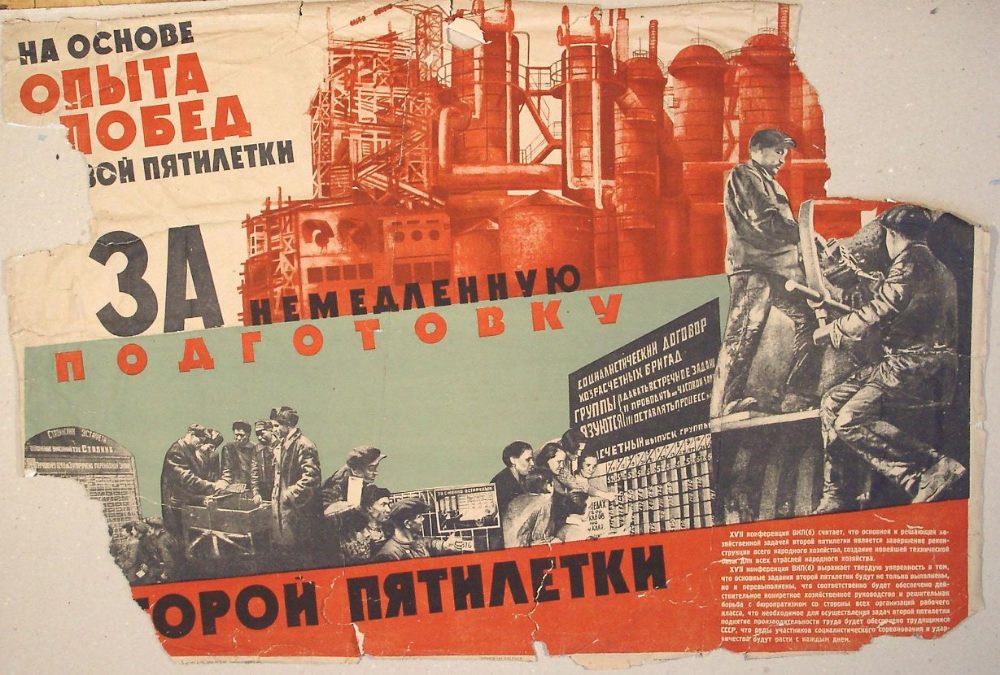
An economy by plan
In most countries the economy is run by the market: what to produce and at what price is decided by supply and demand. In the USSR it was different: there was a planned (command) economy. What to produce, how much and for whom was decided by the state, and prices were set from above, by decree. The market and private ownership of factories and land were almost entirely abolished.
The heart of this system was Gosplan — the State Planning Committee. It turned the Party's general goals into concrete targets for the whole country: for factories, collective farms and entire industries.
From the NEP to the Five-Year Plans
In the 1920s the USSR operated under the NEP — the New Economic Policy, which allowed the market and private trade. But in 1928 Stalin scrapped the NEP and began forced industrialization — what he himself called a "revolution from above."
The instrument was the Five-Year Plans — plans for the economy's development five years ahead. The first Five-Year Plan was launched in 1928. There were thirteen in all over the years of Soviet rule; the last (for 1991–1995) was never completed — the USSR broke apart.
The first Five-Year Plan
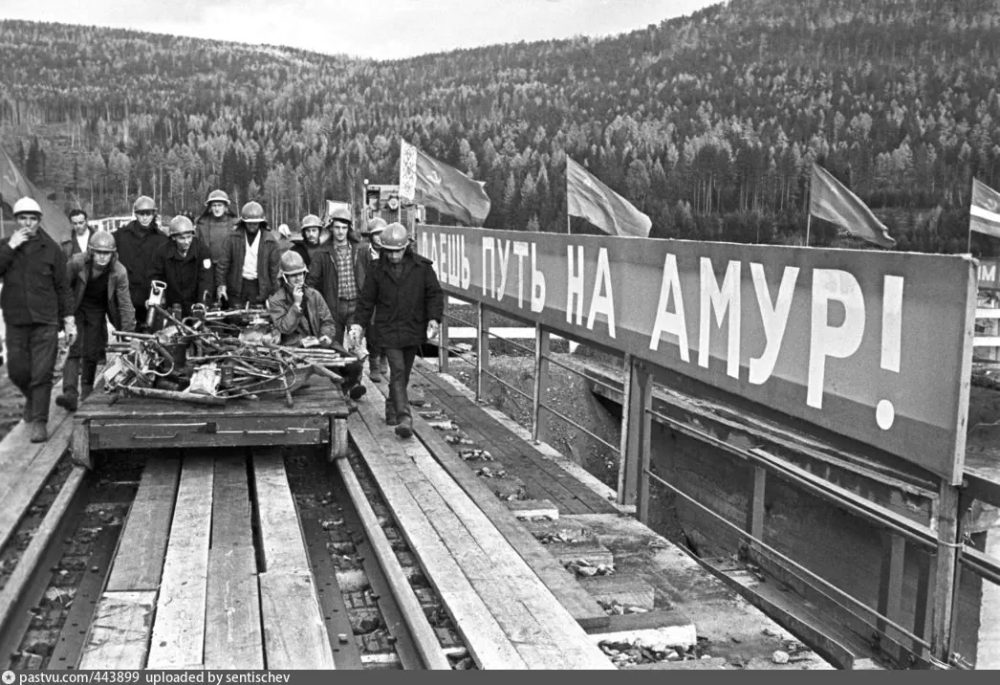
The first Five-Year Plan (1928–1932) was aimed at heavy industry — coal, metal, steel, electricity, machinery. The lion's share of all the country's resources was poured into it. The targets were enormous and often unrealistic, and the official statistics were embellished. And yet the result was striking: within a few years the USSR was transformed from an agrarian country into a mighty industrial power, rising, by Soviet figures, from fifth place in the world to second — behind only the United States. Officially the plan was declared fulfilled in four years.
How it worked
Gosplan set targets for literally everything: how much steel to smelt, how many tractors to turn out, how many houses to build. Enterprises were obliged to fulfil the "plan." There was neither competition nor free prices — instead of the market's "invisible hand," everything was directed by the "visible hand" of the state.
The cost of the surge
The planned economy had two sides.
Its strength was the ability to concentrate the country's forces quickly on a single great goal. That is how, within a decade, an industry was built that later played a key role in the war. There was no open unemployment either: work was guaranteed.
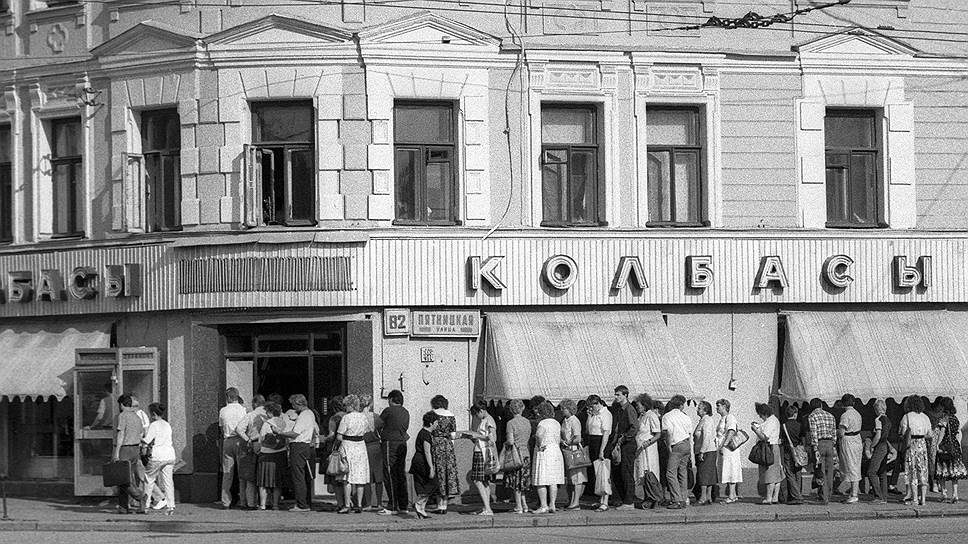
But there was a downside. Everything was thrown into heavy industry, while goods for people, housing and food were constantly undervalued. Hence the chronic shortage of what was needed and, conversely, piles of what was not. Shortages became the companion of the planned economy; a black market and "connections" (blat) arose. And the collectivization of the countryside, which went hand in hand with industrialization, ended in a terrible famine.
Why it eventually faltered
Over time the system's weaknesses came to outweigh its strengths. The planned economy was poor at adopting new things and adjusting to demand: it mattered more to a factory to "fulfil the plan" than to make a good, useful product. By the 1970s and 1980s the economy was falling further and further behind and could not provide people with the basics. This became one of the reasons the Soviet Union eventually broke apart.
Frequently asked questions
What is a planned economy? A system in which the state, not the market, decides what to produce, how much and for whom, and sets the prices itself.
What is a Five-Year Plan? A plan for the country's economic development over five years. The first was adopted in 1928; there were thirteen in all.
Why were there shortages in the USSR? Resources went first of all into heavy industry, while the output of consumer goods lagged — under the planned system this produced constant shortages.
Related
- Shortages and queues — a direct consequence of the planned economy.
- Joseph Stalin — he launched the Five-Year Plans and industrialization.
- The dissolution of the USSR (1991) — how the story of the Soviet economy ended.
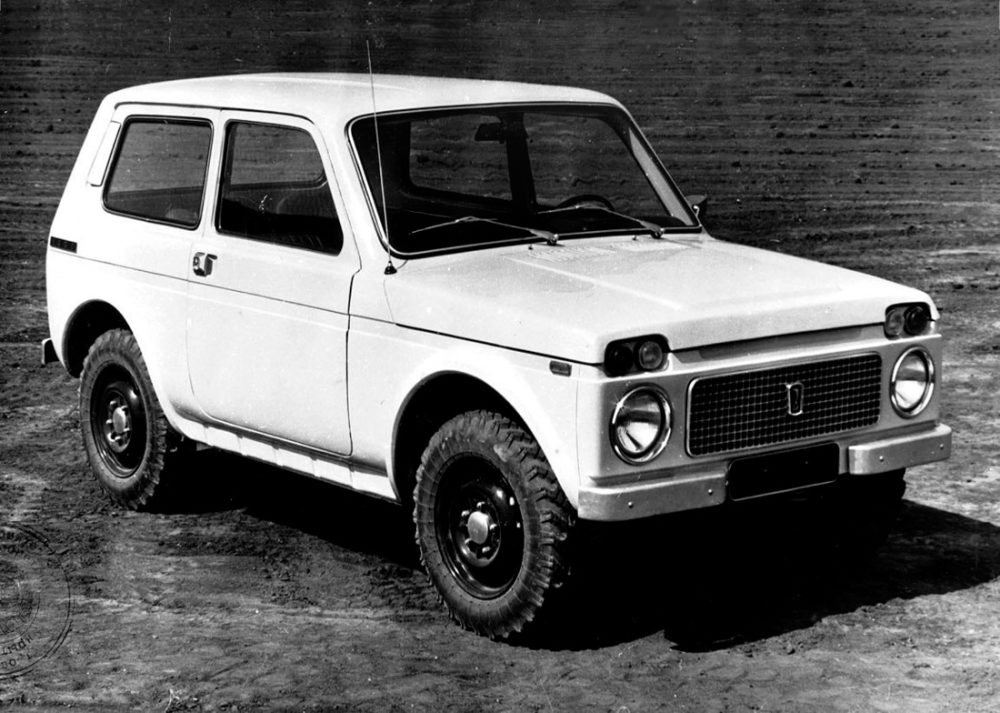
- Soviet cars: a waiting list five years long — the auto industry as the system's textbook.
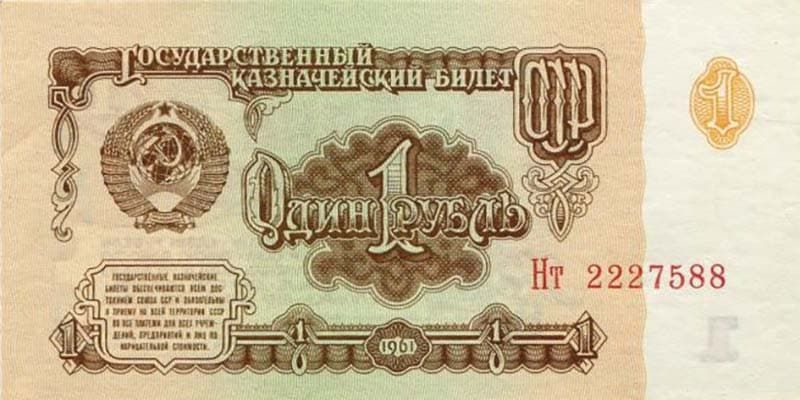
- The Soviet ruble: money that could not buy — the monetary side of the system.
Sources
The facts in this article can be verified against authoritative sources:
- Encyclopædia Britannica, "Five-Year Plans": https://www.britannica.com/money/Five-Year-Plans
- Encyclopædia Britannica, "Gosplan": https://www.britannica.com/money/Gosplan
- Wikipedia, "Five-year plans of the Soviet Union": https://en.wikipedia.org/wiki/Five-year_plans_of_the_Soviet_Union
- Wikipedia, "Economy of the Soviet Union": https://en.wikipedia.org/wiki/Economy_of_the_Soviet_Union