The Young Pioneers: the red scarf and a Soviet childhood
Almost all Soviet children passed through the Pioneer organization. The red scarf, the motto "Always ready!", the "Artek" camp — and two sides to the story: warm memories and ideology.
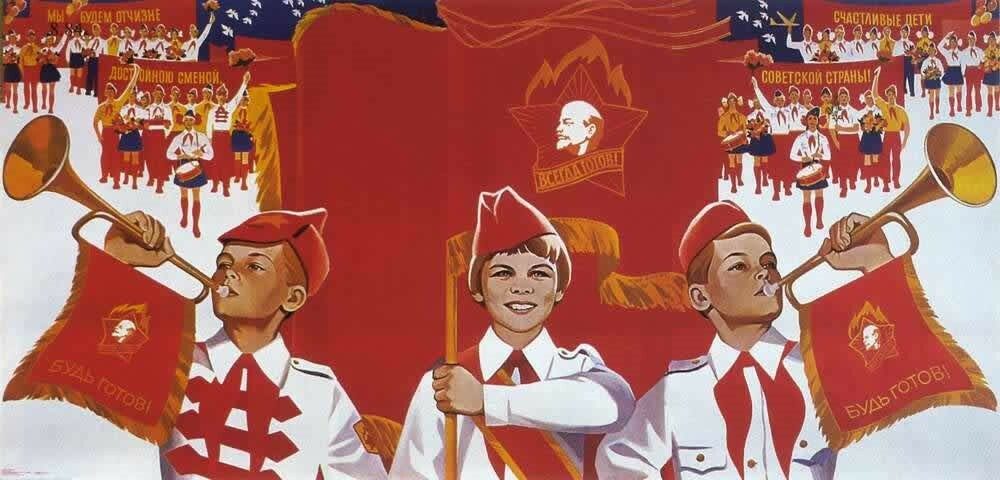
Who the Pioneers were
The Young Pioneers were a mass children's organization of the USSR that several generations of Soviet children passed through. It was called the Vladimir Lenin All-Union Pioneer Organization, brought together schoolchildren roughly aged 9–14, and existed from 1922 to 1991. By the 1970s almost all the country's children were Pioneers — it was an ordinary, natural part of growing up.
How it began
The organization was created on 19 May 1922 — a date that became Pioneer Day. It was modelled on the Scout movement but filled with new content: "scout-like in form, communist in essence," as one of its founders, Nadezhda Krupskaya (Lenin's wife), put it. From the Scouts the Pioneers inherited some of their symbols and the motto itself.
The organization grew quickly: whereas in 1922 it had about four thousand children, by 1972 it had around 23 million.
"Be prepared!" — "Always prepared!"
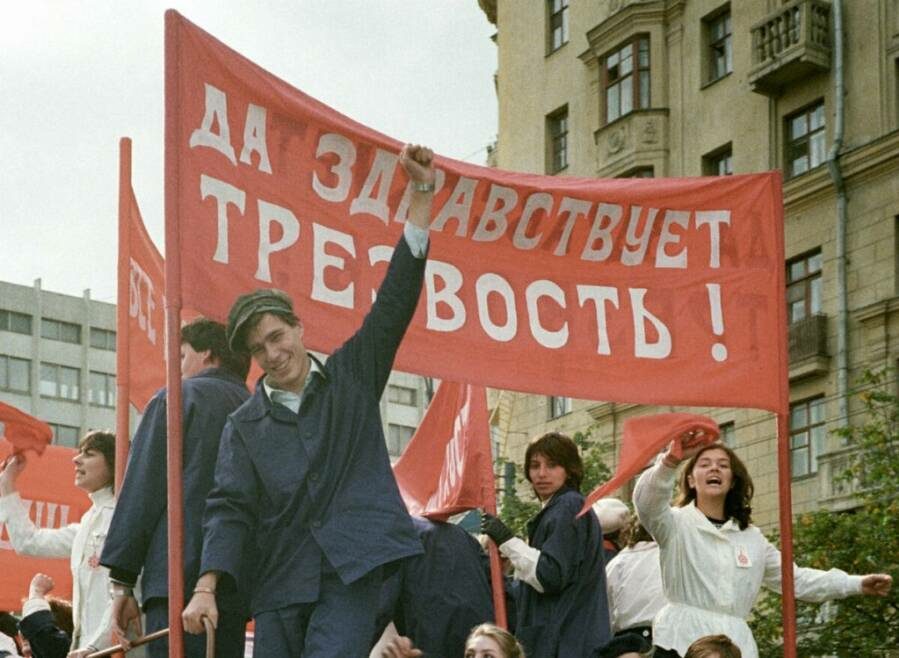
The Pioneers had their own call and response. To the words "Pioneer, be ready to fight for the cause of the Communist Party!" one was to answer: "Always ready!" — raising a hand in the Pioneer salute.
The main symbol was the red neckerchief — a piece of the revolutionary Red Banner. There was also a badge, a bugle and a drum. Joining the Pioneers was a solemn affair: the child had the scarf tied on and took an oath — often on important dates, on Lenin's birthday (22 April) or on Pioneer Day, sometimes at commemorative places.
Little Octobrists → Pioneers → Komsomol
The Pioneers were the middle stage of Soviet "growing up." Younger children, under 9, were called Little Octobrists. Then they became Pioneers. And at 14 a Pioneer could join the Komsomol — an almost grown-up youth organization.
What they did
A Pioneer's life was busy. Besides games and sports, useful deeds took up a large place: subbotniks (collective work, usually on Saturdays), collecting waste paper and scrap metal, helping the elderly, and mentoring classmates who were falling behind. Pioneers took part in colourful parades on the major Soviet holidays. In many cities there were Pioneer Palaces — free centres for clubs and creative activities.
"Artek" and the Pioneer camps
In summer millions of children went to Pioneer camps. There were a great many of them — up to 40,000 — and each summer about 10 million children holidayed there; the camps were free, maintained by the state and the trade unions.
The most famous was "Artek" in Crimea, on the seashore — the "jewel" of Pioneer camps, which was both an honour and a challenge to get into. Children from other countries came there too.
Two sides
The Pioneers are remembered in different ways — and both sides matter.
On the one hand, for many they are warm memories: friendship, camps, campfires, sport, a sense of a shared cause and of being needed. On the other, the organization had a clear ideological purpose: to raise devoted "builders of communism" loyal to the Party. Membership was formally voluntary, but in practice almost everyone became a Pioneer, and being "different from the rest" was hard.
After the collapse of the USSR in 1991, the Pioneer organization in its former shape disappeared. But for millions of people over a certain age, the red scarf has remained one of the most recognizable images of a Soviet childhood — alongside Gagarin's smile and the hammer and sickle.
Frequently asked questions
At what age did children become Pioneers? At about 9–10; they were Pioneers until 14, after which they could join the Komsomol.
What did the red scarf mean? It was a piece of the revolutionary Red Banner — a symbol of belonging to the Pioneers.
What happened to the Pioneers? The organization in its former shape ceased to exist together with the USSR in 1991.
Related
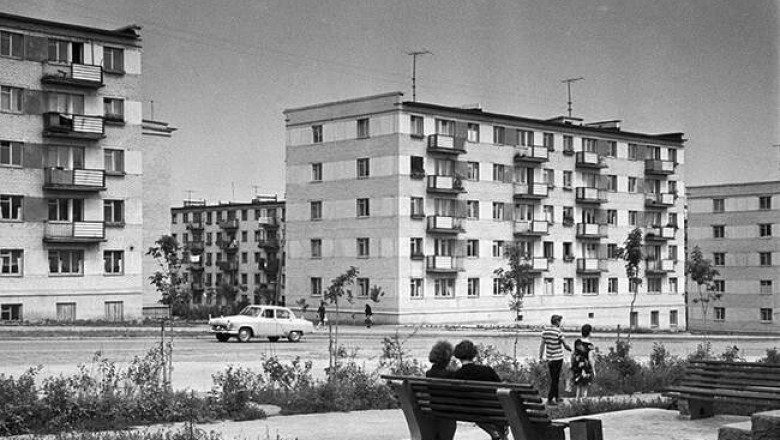
- Khrushchyovki: how the country got its own flats — the very Soviet everyday life in which the Pioneers grew up.
- Soyuzmultfilm: Soviet cartoons — even Cheburashka and Crocodile Gena dreamed of becoming Pioneers.
- The founding of the USSR (1922) — the state that, in the same year, also created the Pioneers.
Sources
The facts in this article can be verified against these sources:
- Wikipedia, "Young Pioneers (Soviet Union)": https://en.wikipedia.org/wiki/Young_Pioneers_(Soviet_Union)
- Russia Beyond, "Who were the Pioneers and why is there so much nostalgia for them?": https://www.rbth.com/arts/2017/05/22/who-were-the-pioneers-and-why-is-there-so-much-nostalgia-for-them_767671
- TASS, "Back in the USSR: The Young Pioneers": https://tass.com/society/1158003
- Wikipedia, "Pioneer movement": https://en.wikipedia.org/wiki/Pioneer_movement